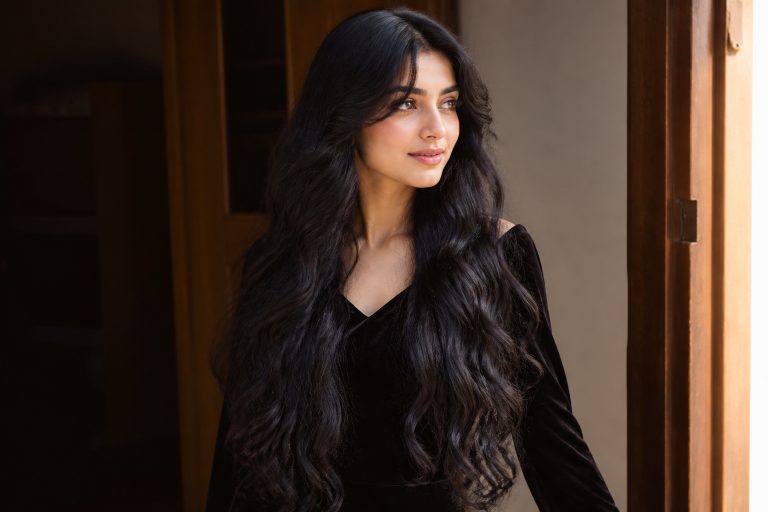
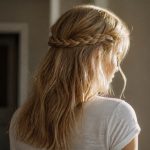

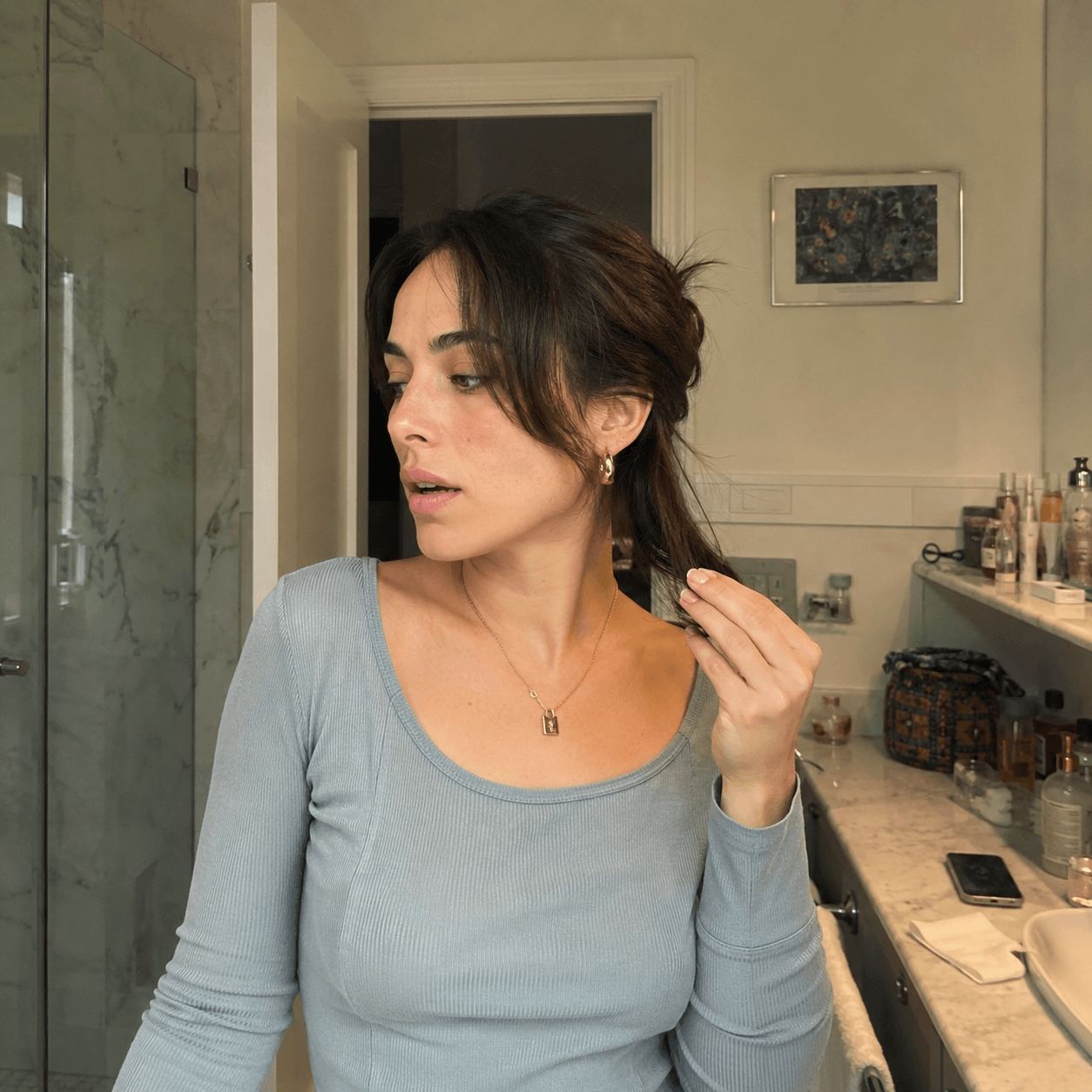


My stylist cut a tiny face frame and I left the salon thinking my long hair finally had a personality. That day the layers lifted my cheekbones and stopped my usual flat, heavy fall. These 14 asian hairstyles for long hair use layering to add visible movement while keeping length, and they work for straight, wavy, and dense hair types. I kept options low-effort, and every look below is something I would actually wear to work.
These ideas lean modern and wearable, mostly for mid-back to waist lengths. Most styles take five to 15 minutes on a normal morning; a few need a quick tool. I favor face-framing pieces and lived-in texture over harsh geometry this year.
Asian Hairstyles for Long Hair: 14 Layered Looks That Add Lift
Butterfly Layers to Lift Flat Hair
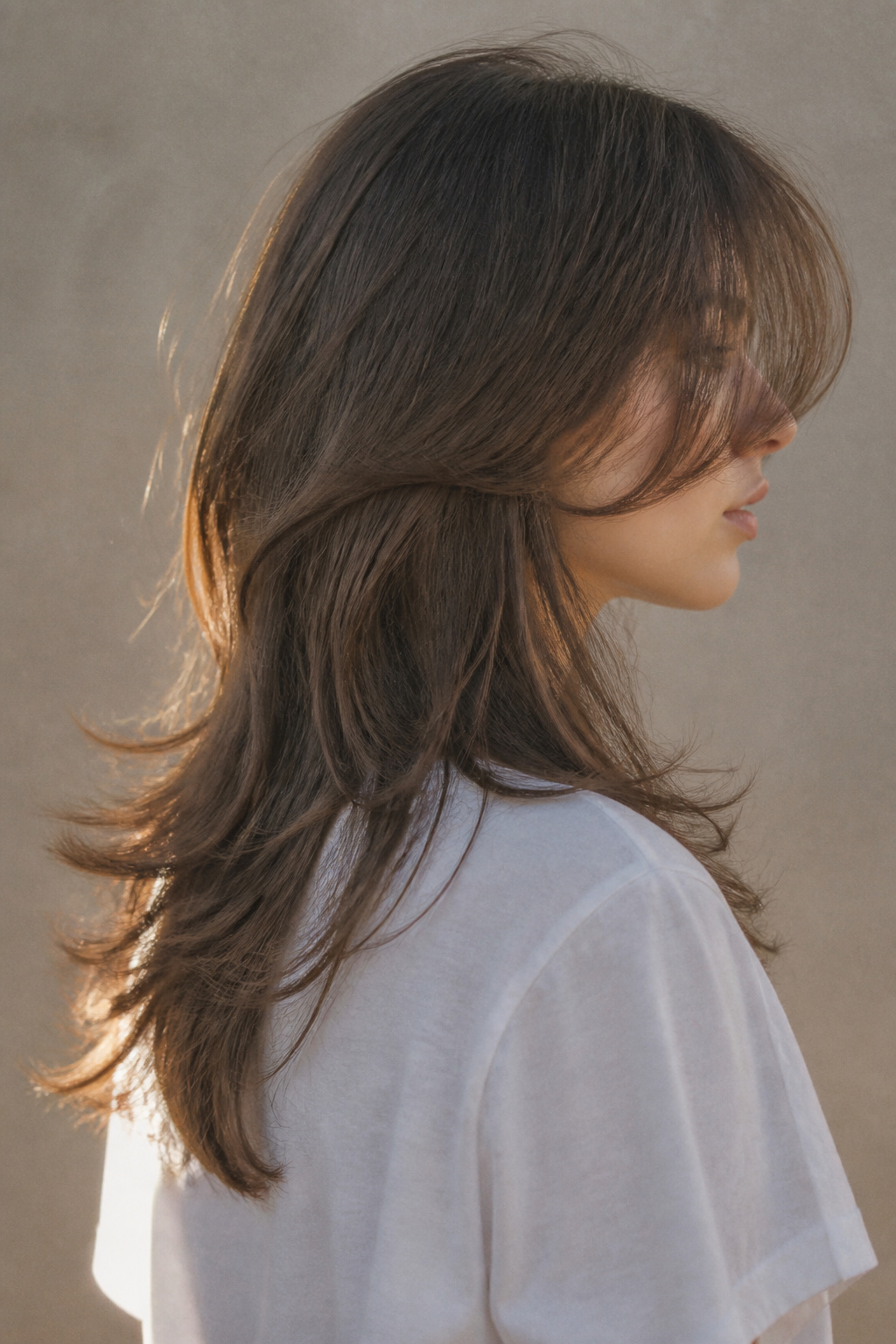

Best for medium to thick hair. Grew out softly for months. About 8 to 10 minutes to blow-dry and shape.
This is the one that saved my heavy long hair days. The short internal layers sit around the cheekbone so the silhouette opens at the face without losing overall length. Ask your stylist for long internal layers and a short face frame that tapers smoothly into the lower lengths. The trick is a round-brush blowout to lift the roots and reveal the layer separation; avoid over-smoothing with heavy oil or the movement disappears.
Hime Panels with Long Straight Length
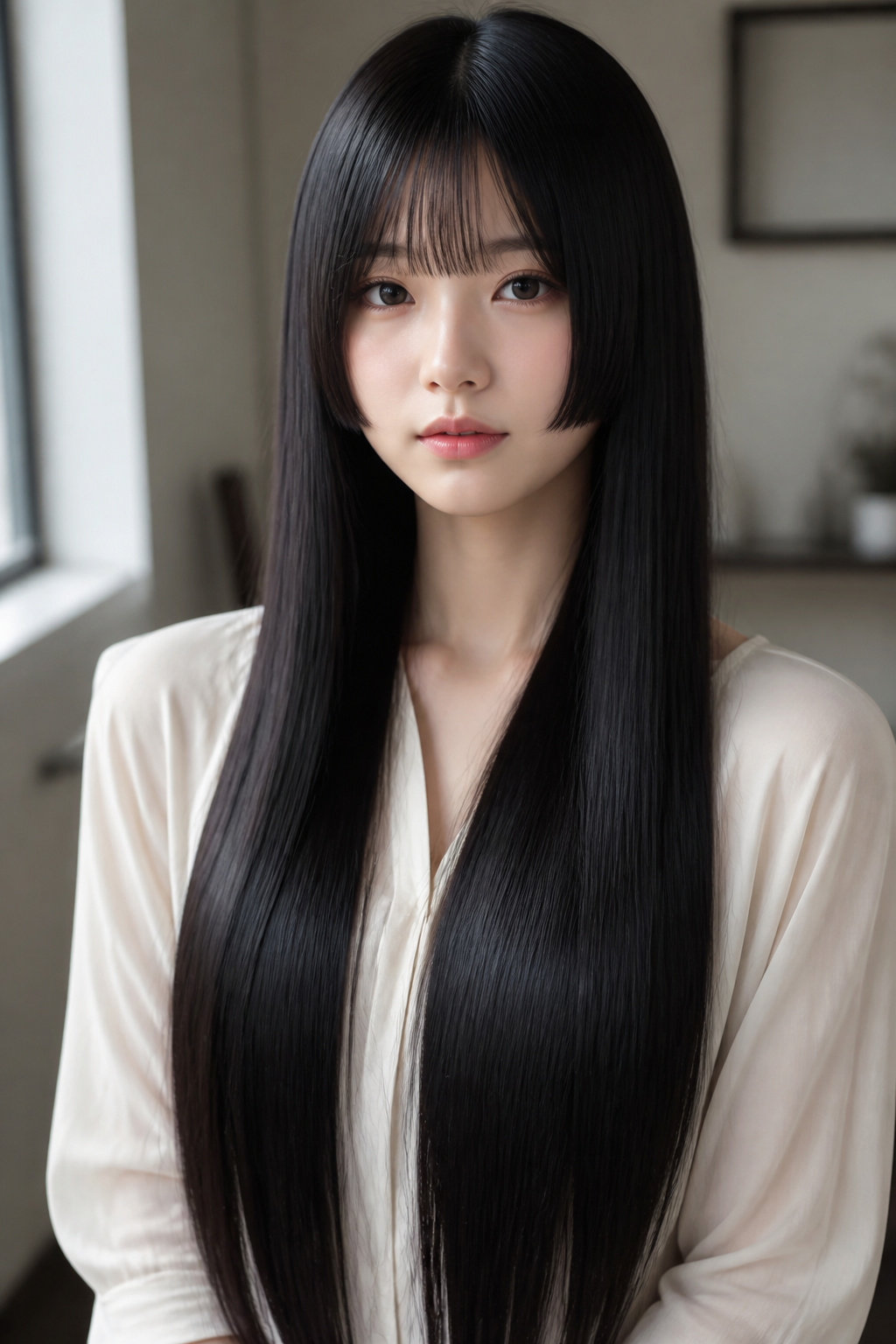

Best for straight, dense hair. Requires trims every 6 to 8 weeks. About 10 minutes to flat-iron for a glassy finish.
If you want a bold silhouette without a full chop, the hime panels give structure and gentle width at the cheeks. I once asked for a severe version and it aged me; the softer long-length approach reads modern. Ask for blunt side locks that sit at the cheekbone and blended long lengths. Keep a smoothing serum and a good flat iron to maintain the glassy finish, and avoid over-layering the back or the shape will lose its crispness.
Soft Jellyfish Stack with Long Ends
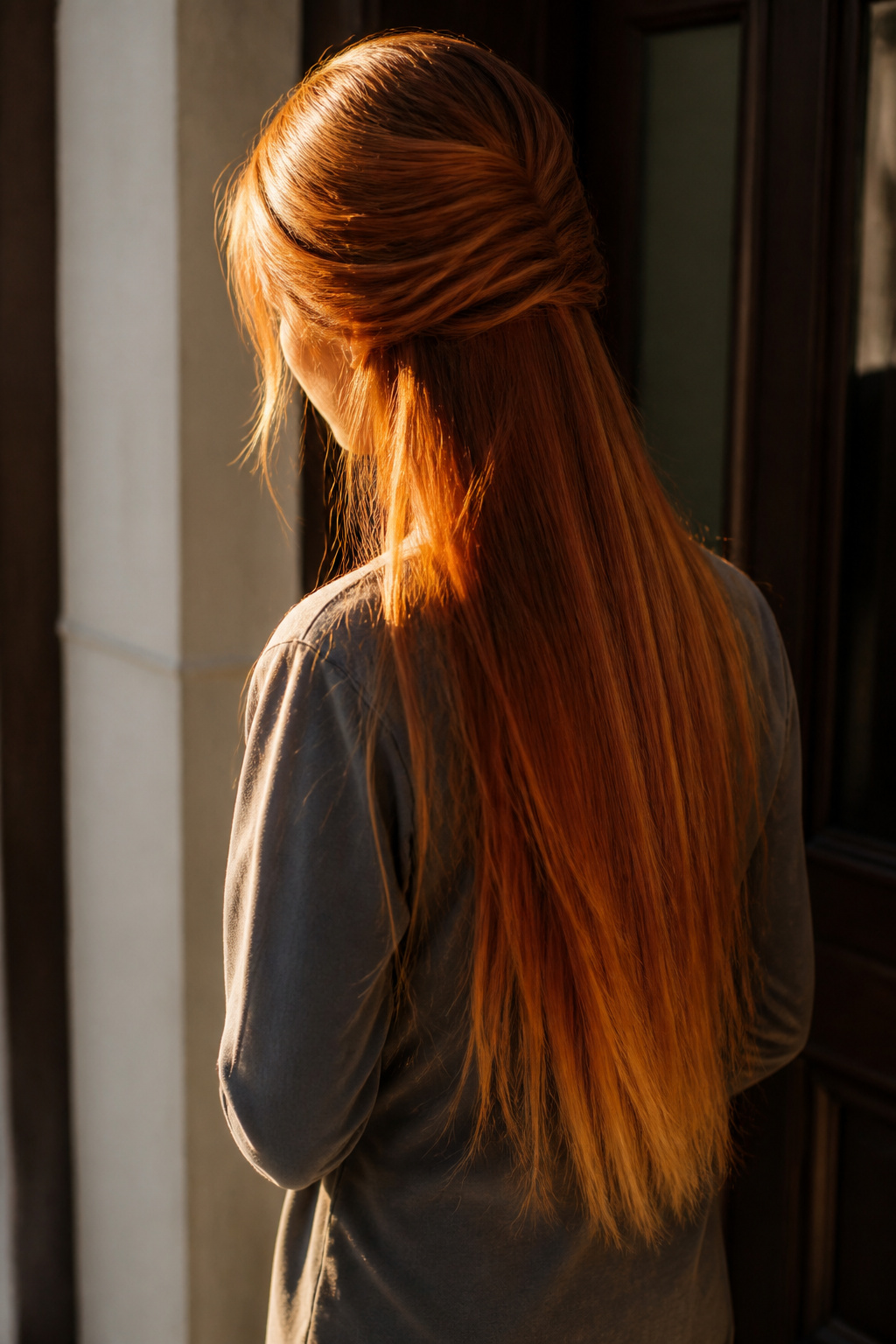

Best for medium density straight hair. Shape shows grow-out in 8 to 10 weeks. About 12 minutes to style with a straightener.
The jellyfish creates a stacked crown and keeps long lengths below so you get lift on top without losing length. It looks editorial but can be toned down: ask for a rounded, shorter top section and long pieces underneath. The one mistake I made was asking a junior stylist to over-thin the ends; the shape collapsed. For this, you need careful internal layering rather than blunt thinning.
Wolf Cut with Curtain Bangs for Built-In Volume


Best for thick or medium wavy hair. Grows out into an easy, shaggy shape. About 7 to 12 minutes with a texturizing spray.
This gave me instant movement at the crown and cheekbones. The heavy top layers and textured ends break up a long face and give a tousled, modern vibe. Tell your stylist to keep heavier weight in the back, cut lots of short top layers, and blend curtain bangs into the sides. The error most people make is over-brushing the texture; use a texturizing spray and scrunch instead of a paddle brush to keep the lived-in finish.
Long Straight Layers for Sleek Movement
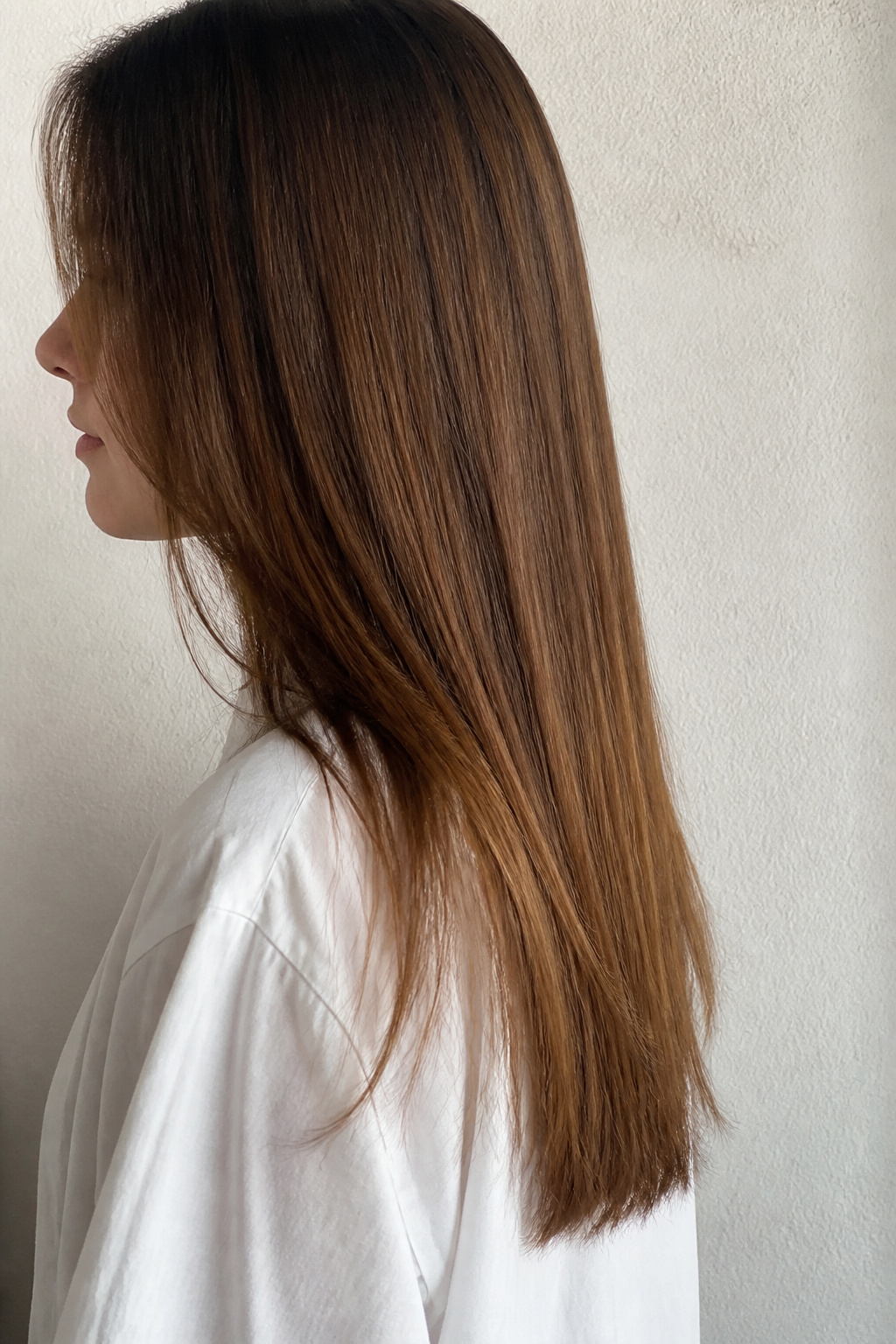

Best for fine to medium hair. Grows out cleanly. About 5 to 8 minutes with a quick blow-dry and smoothing serum.
This is the quiet fix for flat hair: long blended layers remove weight without losing length. It verticalizes the fall so fine hair reads fuller. The technique is very small vertical sections when blow-drying and stopping the brush before the end so the layers sit naturally. Avoid heavy silicone serums in the root area or the lift will collapse.
Big Romantic Curls with Long Layers
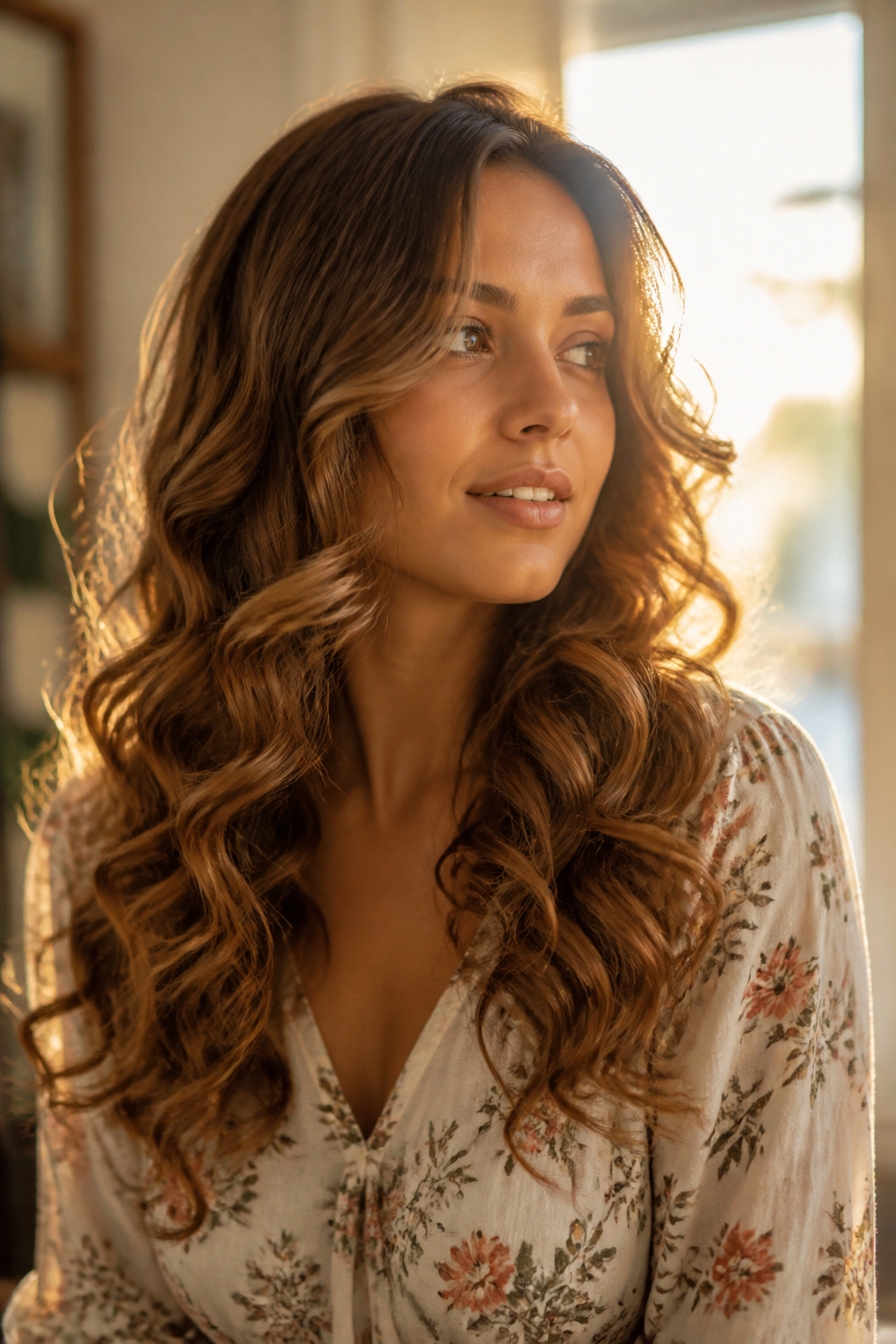

Best for medium to thick hair. Needs restyling each day for events. About 12 to 15 minutes with a large-barrel iron.
These are the curls I wore to a wedding and felt like my hair had volume but not bulk. Ask for long layers that support large 1.25-inch bends so the curls sit apart instead of pooling. A common mistake is using too strong a hairspray and losing bounce; use flexible-hold spray and touch only the mid-lengths. The result flatters oval and heart faces and reads soft glam.
70s-Inspired Blowout for Flipped Movement


Best for straight to slightly wavy hair. Lasts into day two with dry shampoo. About 10 to 15 minutes with a round brush.
A retro flip gives immediate width and life to long hair that otherwise lies flat. Ask for soft face-framing layers and flipped ends. The trick is a large round brush and lifting each section at the root while you dry. A mistake I made once was skipping the root-lift product and the blowout fell by noon; include a lightweight root-lift mousse for staying power.
Wavy Half-Updo That Keeps Length Visible


Best for almost all face shapes. Easy to refresh on day two. Under 5 minutes to pin the top half.
This is the style I pick when I have ten minutes and want something that breathes. Pin the top half loosely and leave the lower waves to show; it lifts the face without taking away the length. No tools necessary if you sleep with braids, which also helps in humid months. Avoid making the top too tight or you lose the relaxed, effortless vibe.
Double Dutch Braids Into Long Tails
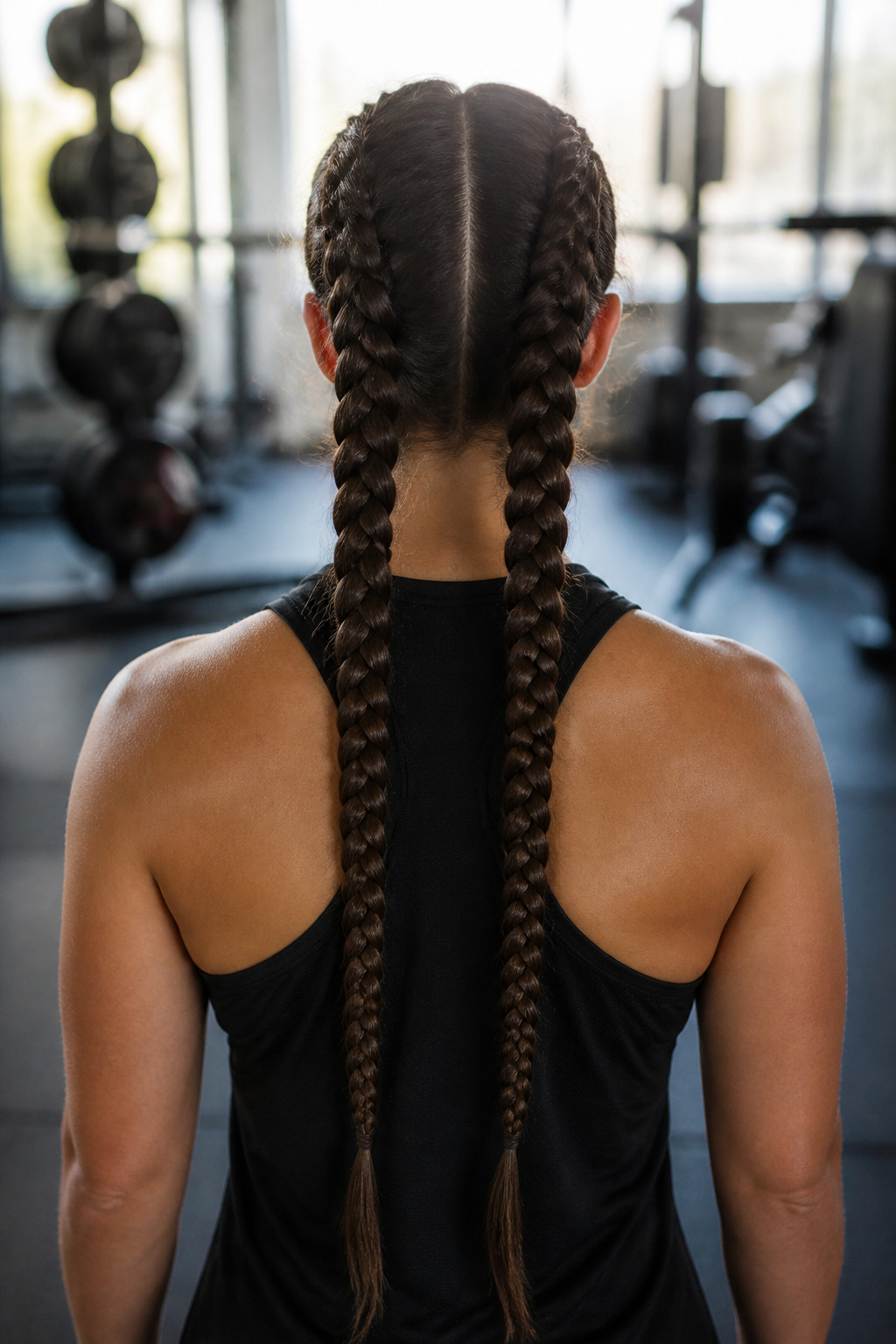

Best for active days and humid climates. Holds for workouts and sleep. About 8 to 12 minutes depending on skill.
If you need something that survives a commute and a workout, these braids are unbeatable. They keep hair off the face and maintain a lifted root look instead of flattening. The technique is tight Dutch sections close to the scalp and even tension down the tail. Most people braid too loosely at the crown, which lets the hair puff and look messy; keep even tension for a polished finish.
Milkmaid Braid for Romantic Updo Without Heat


Best for medium to thick hair and special occasions. Holds well if pinned securely. About 10 minutes to braid and pin.
A milkmaid braid is my go-to when I want a low-effort, romantic updo that still reads modern. Secure the ends tightly and tuck them under; use a few bobby pins at the temples to lock the frame. Fine hair may need texture spray first; otherwise it slips. I once used slick oil on the braid and it fell apart, so skip heavy oils for this one.
90s Flipped Ponytail with Bangs
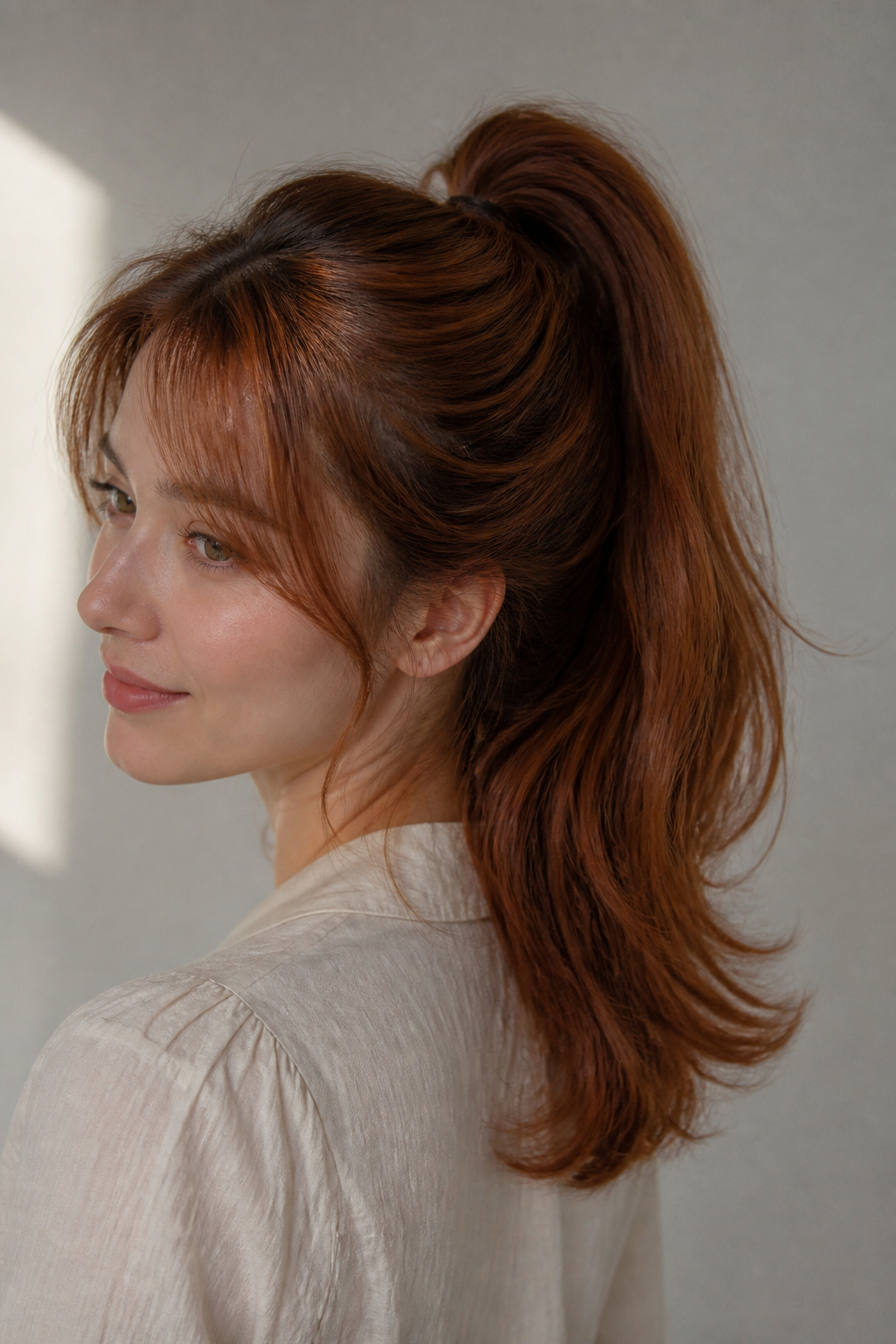

Best for medium density hair and retro lovers. Lasts most of the day with setting spray. About 5 to 8 minutes to style.
This brings a playful retro edge without feeling costume-y. Smooth the roots, secure a mid-to-high pony, and flick the ends out with a round brush or flat iron. Curtain or swoopy bangs add softness. The common mistake is leaving too much bulk at the base of the pony; flatten the crown slightly for a clean silhouette.
Straight and Sleek with a Side Swoop
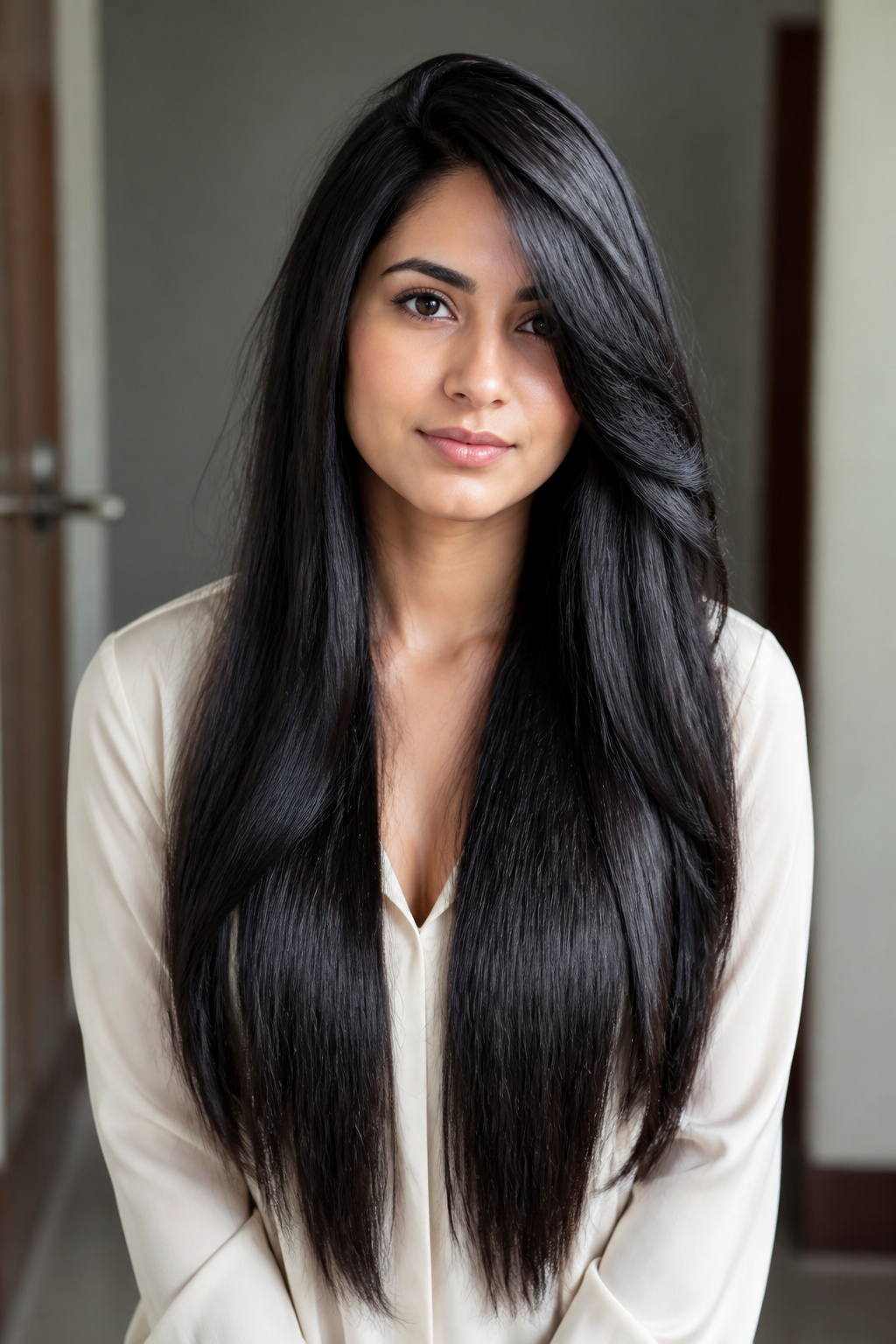

Best for fine to medium straight hair. Low-maintenance grow out. About 6 to 10 minutes with a flat iron.
When work calls for polished hair, this is my go-to. The side swoop distracts from a round face and the long, subtle layers keep movement. Use a heat protectant and flat-iron small 1-inch sections for a sleek finish. Avoid heavy pomades that make fine hair lie flat at the root.
Classic Long Layered Waves That Never Date


Best for most face shapes. Day-two friendly with texture spray. About 10 to 12 minutes with a 1.25-inch curling wand.
This is the baseline everyone reaches for because it flatters so many people. Ask your stylist for soft layers that bend into waves rather than blunt lengths. The technique: wrap sections away from the face and stop curling an inch from the end so the look feels modern and lived-in. Over-styling into uniform curls is the usual error; loosen them with your fingers for separation.
Layered Long Hair with Wispy Fringe
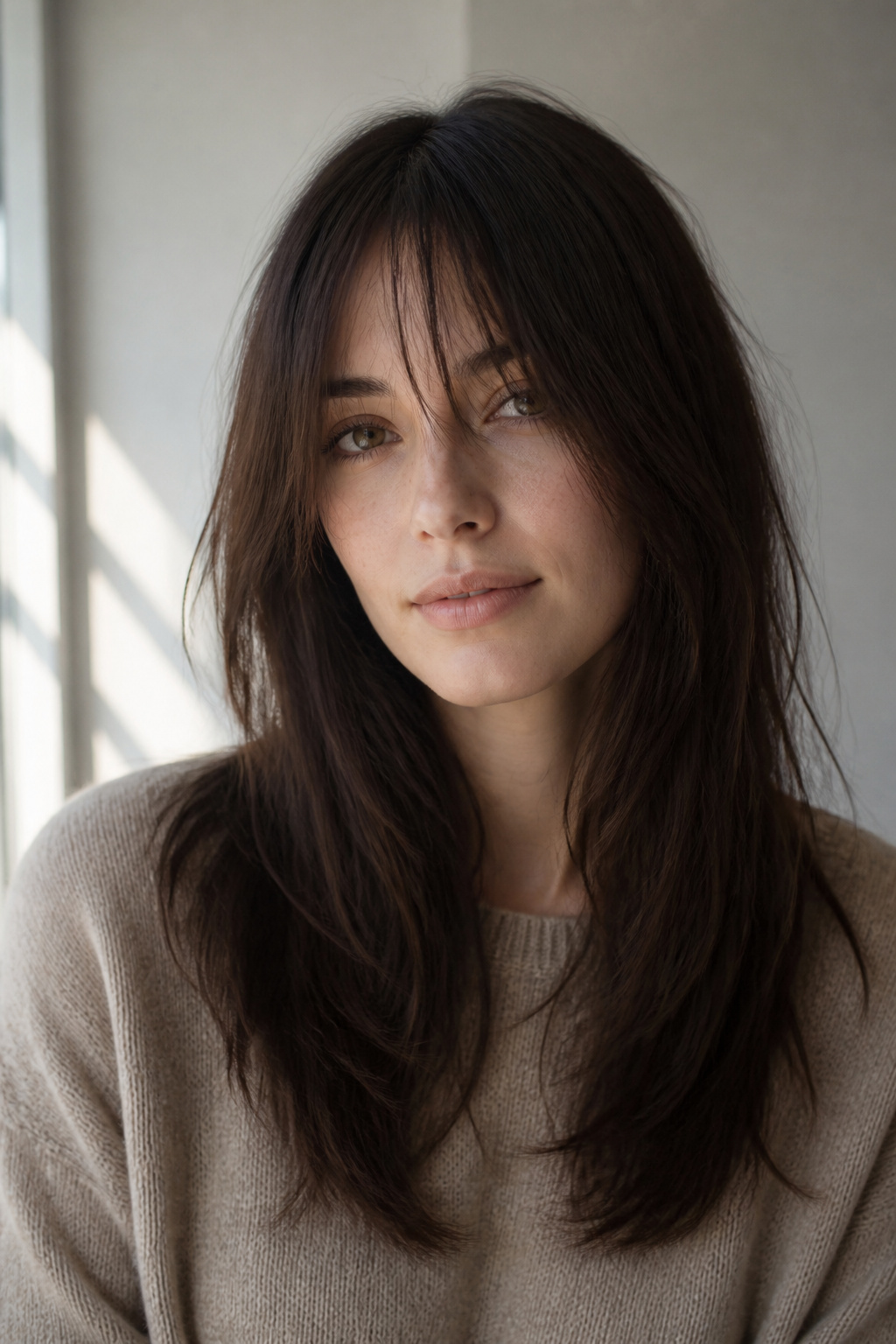

Best for softening wide foreheads and square faces. Grows out forgivingly. About 5 minutes to style the fringe.
A light wispy fringe can change the whole face without committing to a blunt bang. I asked for feathered ends that blend at the temples so the fringe never looks like a helmet. The technique is point-cutting small vertical sections and blow-drying with a round brush at the roots. A common mistake is cutting the fringe too heavy; keep it airy.
What You'll Need to Get This Look
Heat Tools
- 1.25-inch ceramic curling wand ($30 to $120) good for long waves and loose curls.
- High-torque blow dryer with concentrator nozzle ($50 to $200) for fast blowouts.
- Round brush set, 2 sizes ($15 to $40) for flips and root lift.
- 1-inch titanium flat iron ($40 to $200) for hime and sleek finishes.
Styling Products
- Alcohol-free volumizing mousse, 8oz ($8 to $20) for root lift without crunch.
- Lightweight texturizing spray, dry finish ($10 to $30) for lived-in separation.
- Flexible-hold hairspray, travel size ($6 to $18) to keep bends soft.
Hair Care and Protection
- Heat protectant spray, 6oz ($8 to $25) non-negotiable before hot tools.
- Bond-building treatment mask, single use or jar ($10 to $50) for weekly repair.
Accessories and Finishing
- Neutral bobby pins, 50-pack ($3 to $10) for milkmaid and braids.
- Small no-slip elastics, 24-pack ($4 to $12) for braids and ponytails.
Budget Swaps
- Drugstore anti-frizz serum, 3oz ($6 to $12) if you do not want salon splurge.
- Affordable paddle blow-dry brush ($15 to $40) instead of a multi-tool stylers.
Shopping Tips for These Looks
Buy tools during holiday and Prime sales. High-end blow-dryers and wands drop 20 to 30 percent in November and Prime Day. I waited and grabbed my 1.25-inch ceramic curling wand.
Choose mousse for volume, not weight. Fine hair benefits from an alcohol-free formula; try the Alcohol-free volumizing mousse, 8oz before a pricier root product.
Invest in a heat protectant, not a frizz serum for styling. A lightweight Heat protectant spray, 6oz preserves layers and shine without flattening the crown.
Swap salon masks for bond-building treatments when you color-treat. If you bleach or frequently heat style, a weekly Bond-building treatment mask keeps ends healthier during grow-out.
Frequently Asked Questions
How often should I trim long layers so they keep volume?
Trim every 10 to 12 weeks for the face-framing pieces and internal layers. A small reshaping keeps the lift and prevents a heavy perimeter.
Can these layered cuts work on very curly or coily Asian hair?
Yes, but ask for longer face frames and fewer short top layers; too many short layers can create unwanted bulk. Mention your curl pattern so the stylist tailors the layering.
Will layers make thin hair look thinner?
Properly placed long layers add movement and vertical line, which usually makes thin hair read fuller. Avoid removing too much bulk at the perimeter if you want density.
What is the easiest style for a busy morning?
A loose half-up or double Dutch braids. Both lift the face and survive a commute without hot tools. Use a small amount of texturizing spray if your hair is very slippery.
Which tool gives the most modern waves?
A 1.25-inch curling wand creates the loose S-waves most trend pages show. Wrap sections away from the face and leave the ends out for a lived-in result.
How do I describe butterfly or hime layers to my stylist?
Say "long internal layers with a short face frame starting at the cheekbone" for a butterfly. For hime, ask for "blunt cheek-length side panels with the rest kept long and sleek."
Final Thoughts
Start with one small change: try a short face-framing layer or a wispy fringe and see how much lift it gives without sacrificing length. I learned the hard way that thinning the ends too aggressively flattens everything, so be specific in the chair. Which of these looks would you try first?