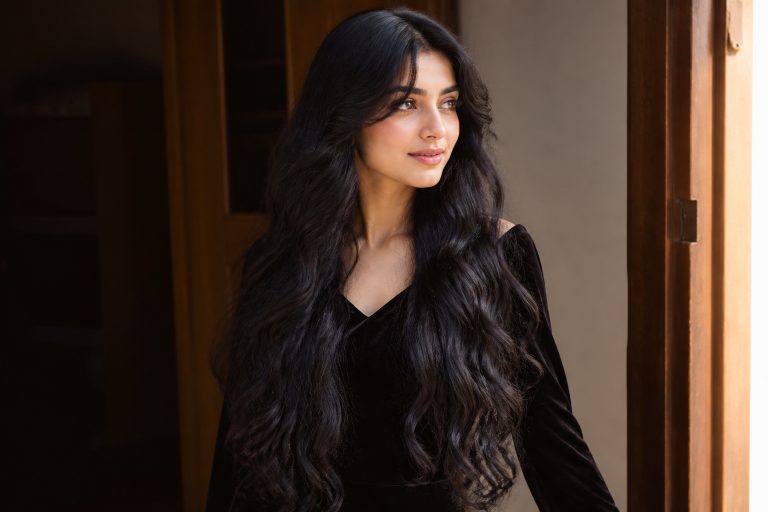




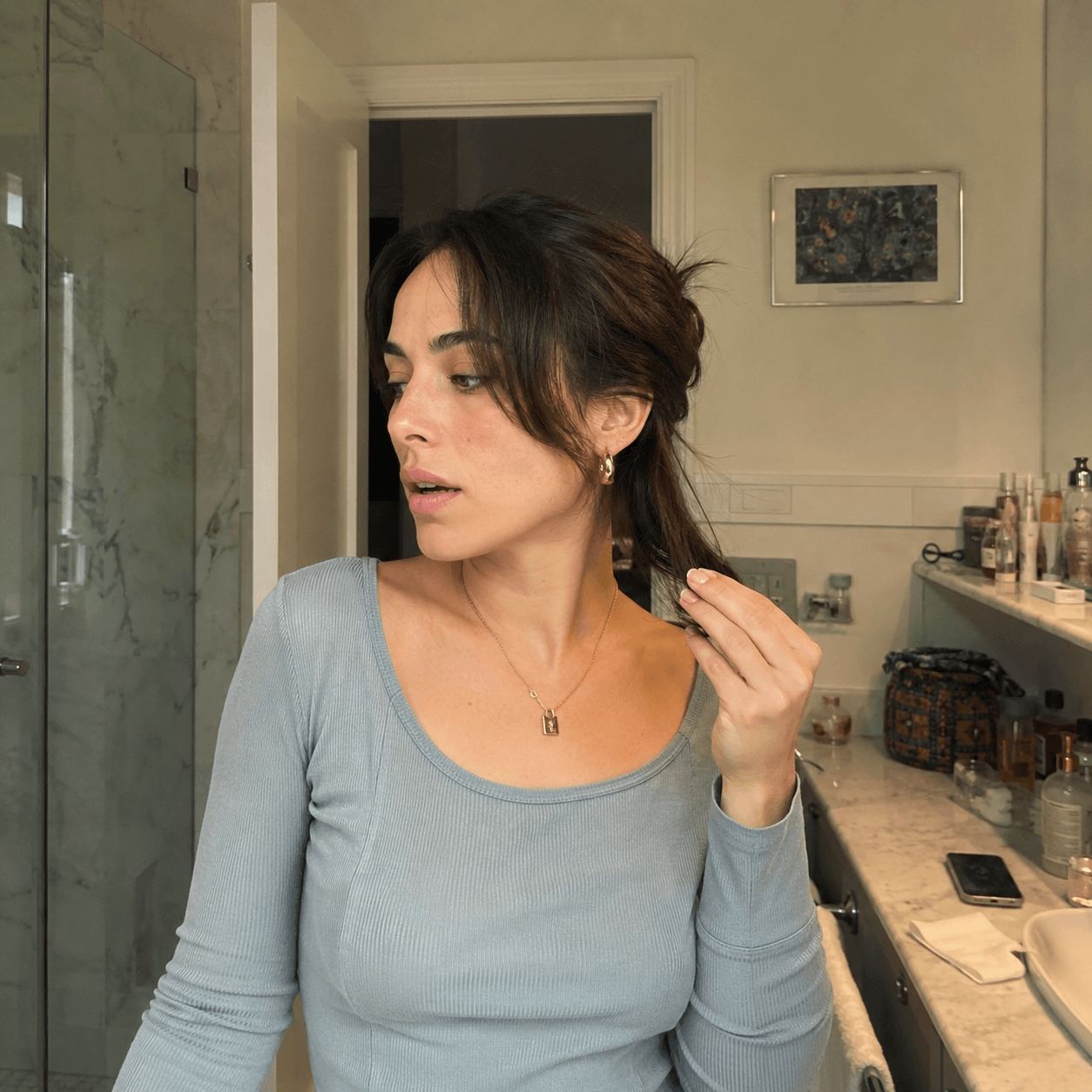


I cut my first curly bangs on impulse and learned the hard way that curl shrinkage is not a rumor. Curly hair with bangs can read bouncy, lived in, and seriously cute when you pick the right shape and a low-touch routine. Below are 14 real-world styles for everything from chin-length bobs to long layered curls, with who they flatter and one honest tip that saved my mornings.
These looks favor natural texture, from soft wavy curls to springy coils, and most are wash-and-go friendly. Expect some trims for shape, minimal heat on most days, and a handful of easy tools that actually help—not hurt—your fringe.
14 Curly Hair With Bangs That Look Bouncy, Lived In, and Cute
Curtain Bangs to Soften a Strong Jawline
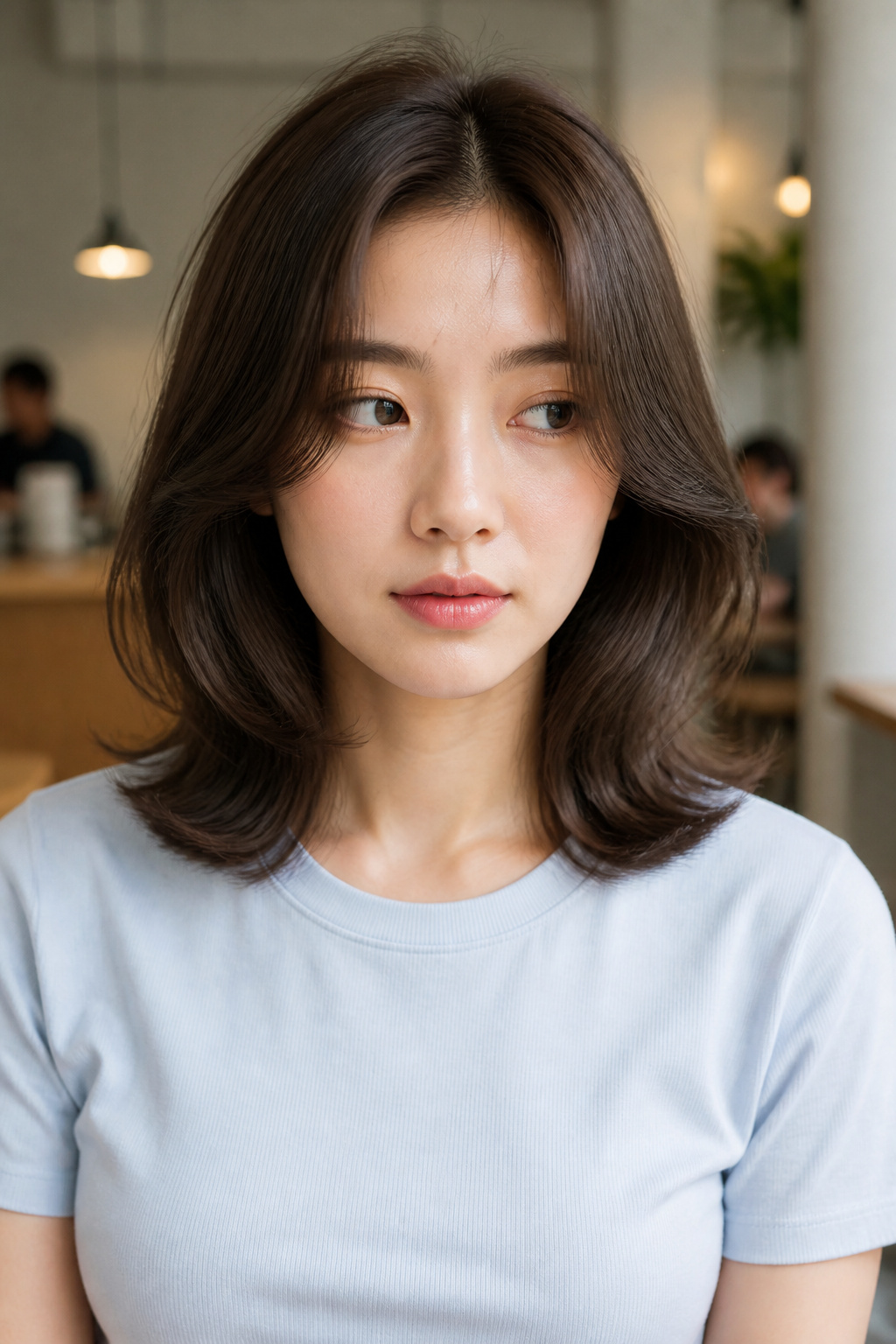

Best for medium to coarse hair. Trim every 4 to 6 weeks. About 5 to 8 minutes each morning.
This curtain fringe gives a Bardot-style lift without overdoing the forehead coverage. It flatters square and round faces because the curtain pieces open at the cheekbone and create a vertical frame. The trick is to dry the fringe slightly toward the face with a creaseless clip or your fingers while the roots get lift, not weight. Most people overload product here; use about half the mousse you use on the lengths. If you touch the bangs constantly while diffusing, they will frizz.
Wispy Curly Fringe for a Soft, Romantic Finish


Best for medium-density curls. Grows out softly. About 3 to 6 minutes for refreshes.
Light, feathered pieces give a romantic frame that does not read heavy. Wispy bangs work on most curl lengths and let you sweep them aside as they grow, so grow-out is forgiving. The technique I swear by is sectioning small pieces and defining them with finger-coiling rather than heavy creams, which can flatten the wispy shape. Avoid cutting a single heavy weight line; that is the common mistake that makes them look boxy. Use a light curl cream and let the fringe air-dry slightly before clipping.
Side-Swept Bangs That Keep Your Face Open
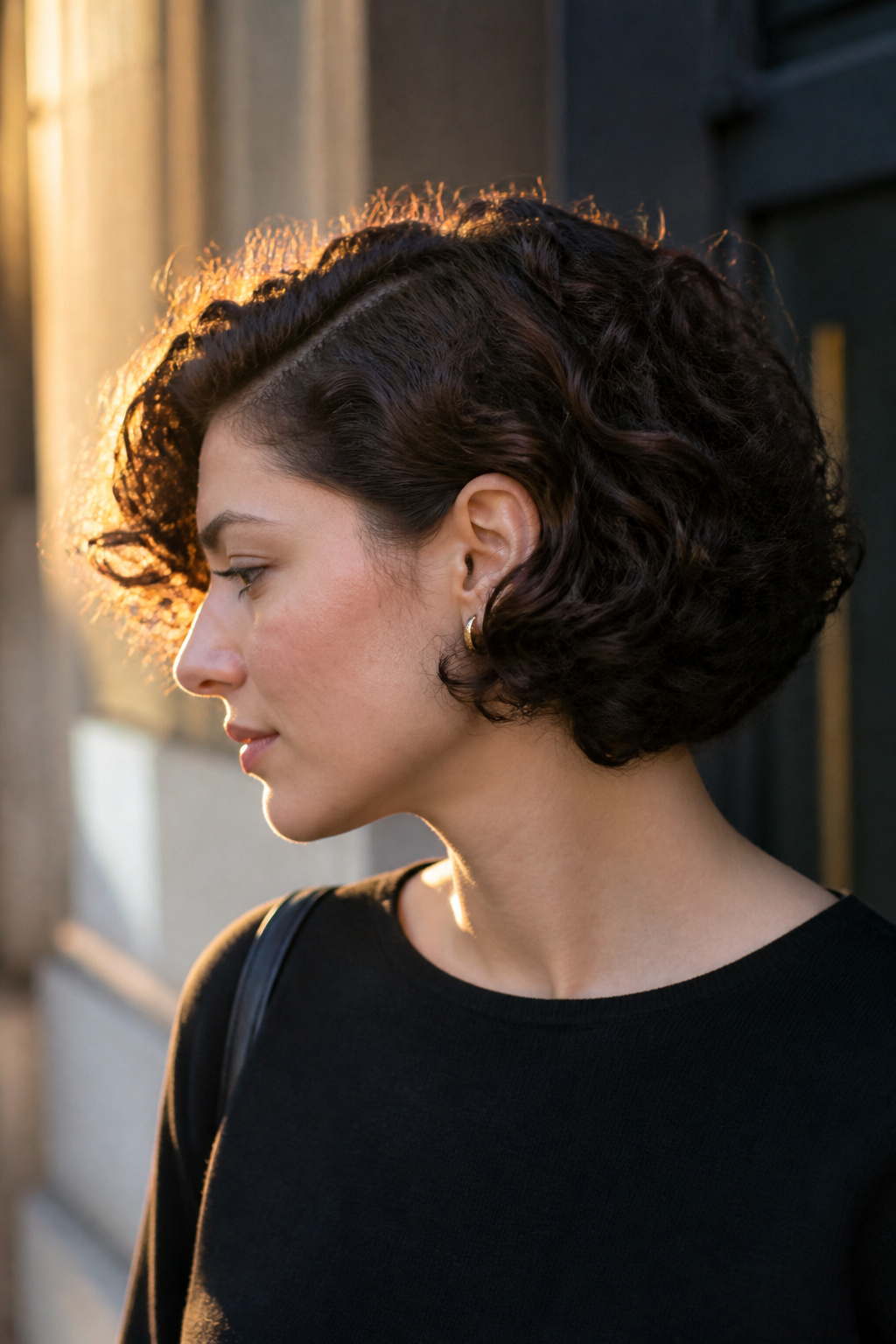

Best for short to medium lengths. Trim every 6 to 8 weeks. About 4 to 7 minutes daily.
Side-swept bangs are flattering if you want forehead openness without a blunt line. I ask my stylist for a diagonal cut that blends into the side layers so it can be swept away on bad-frizz days. The styling trick is to apply a lightweight leave-in and then cup the fringe with your diffuser toward the side you want it to fall. Don’t dry the rest of your hair first and then try to force the fringe to cooperate; that mismatch is why a lot of side bangs look limp.
Blunt Curly Fringe for a Bold, Fashion-Forward Edge
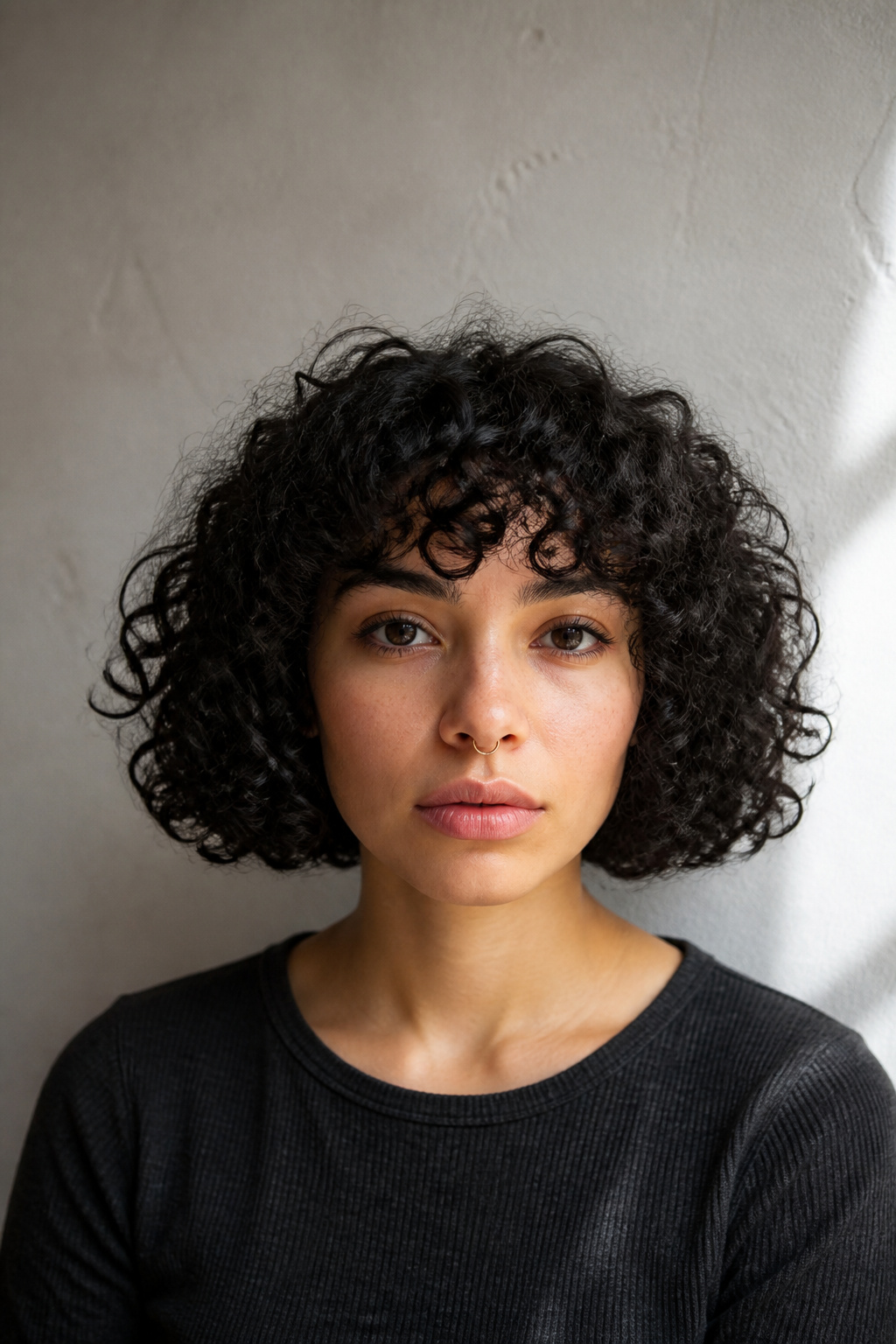

Best for full curl patterns that hold shape. Trim every 3 to 5 weeks. About 6 to 10 minutes with definition work.
A blunt curly fringe reads strong but still shows texture. It suits people who want a defined top-of-face frame and are willing to shape it often. The specific technique is sectioning the fringe into small arcs and applying a light gel to each before diffusing on low heat so the horizontal line reads but the curls keep bounce. Warning, this style can look heavy if you use thick creams; I learned that the expensive smoothing masks I loved for my lengths weighed this fringe to the eyebrow.
Finger-Coiled Bangs for Predictable Curl Shape
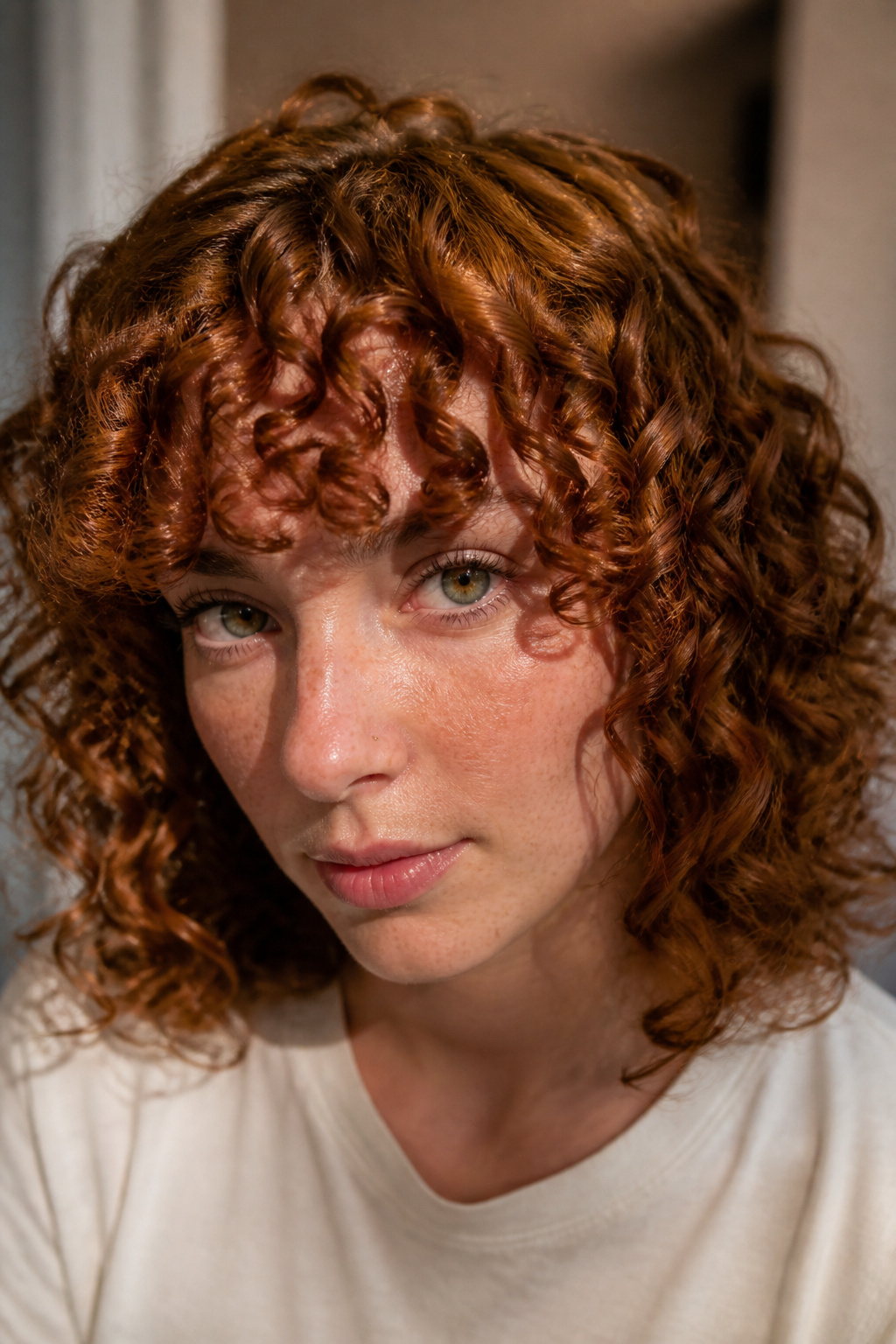

Best for uneven curl patterns. Refresh with water between washes. About 7 to 12 minutes to coiling.
If your fringe parts into two or three strange clumps, finger coiling gives consistency. I coil small sections while wet and set them with a lightweight gel, which controls frizz and keeps the arc predictable. Do not over-coil or the bangs will look manufactured; tiny, relaxed coils look more lived in. This method saved my bangs the day I had uneven shrinkage after a humidity spike.
Pineapple-Style Bangs for a Casual, Try-It-First Look
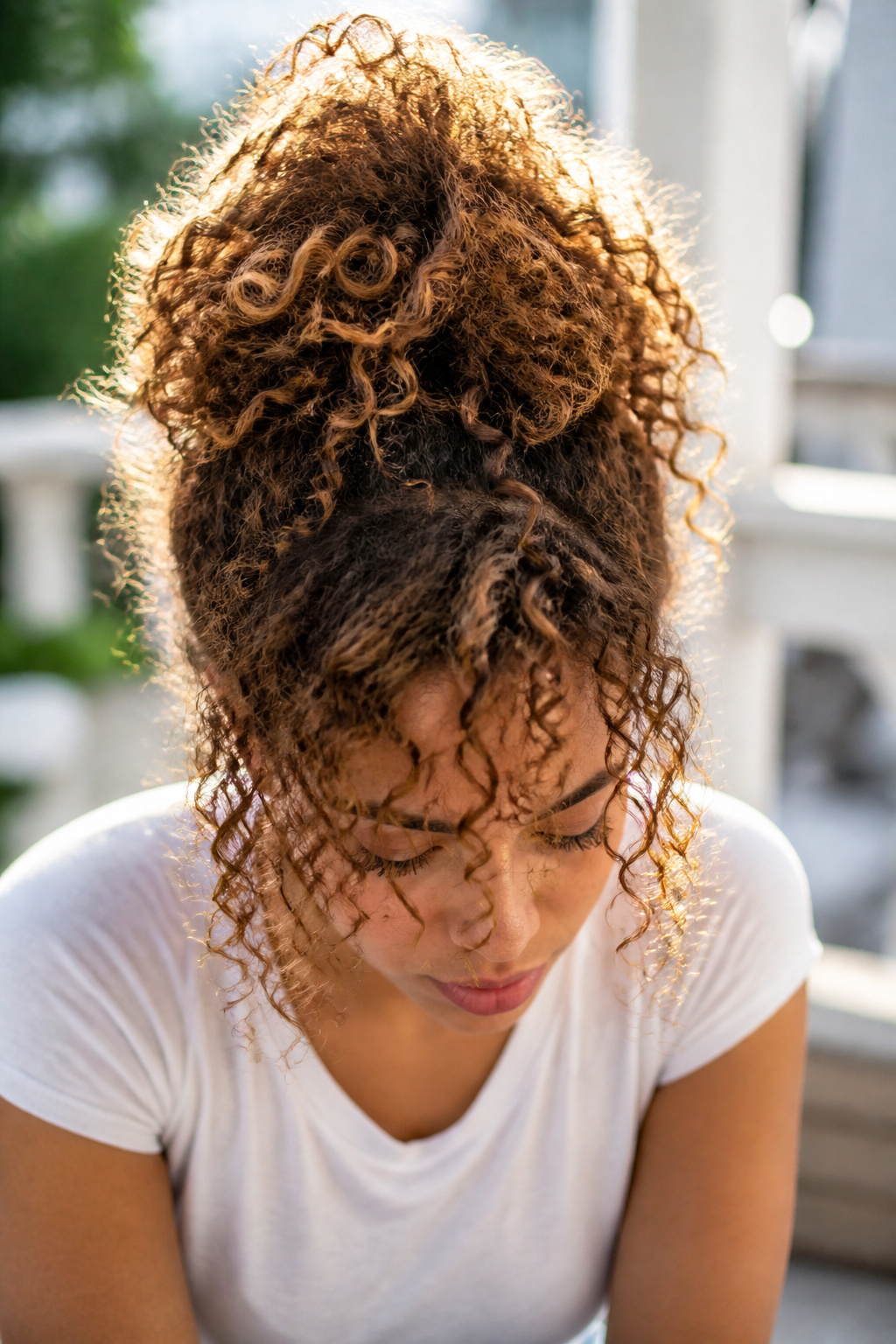

Best for medium to long hair testing bangs. No cut needed. About 2 minutes to set.
Want to try bangs without committing? The pineapple lets front curls fall forward naturally and reads like a casual fringe. Gather the lengths high and release only the face-framing pieces; scrunch and let them settle. This is low-maintenance and forgiving on day two. The honest moment: I once wore this for a week before my stylist and it convinced me bangs would suit my face, so it’s great for commitment-phobes.
Curtain Bangs on Wavy-Curly Hair for Root Lift
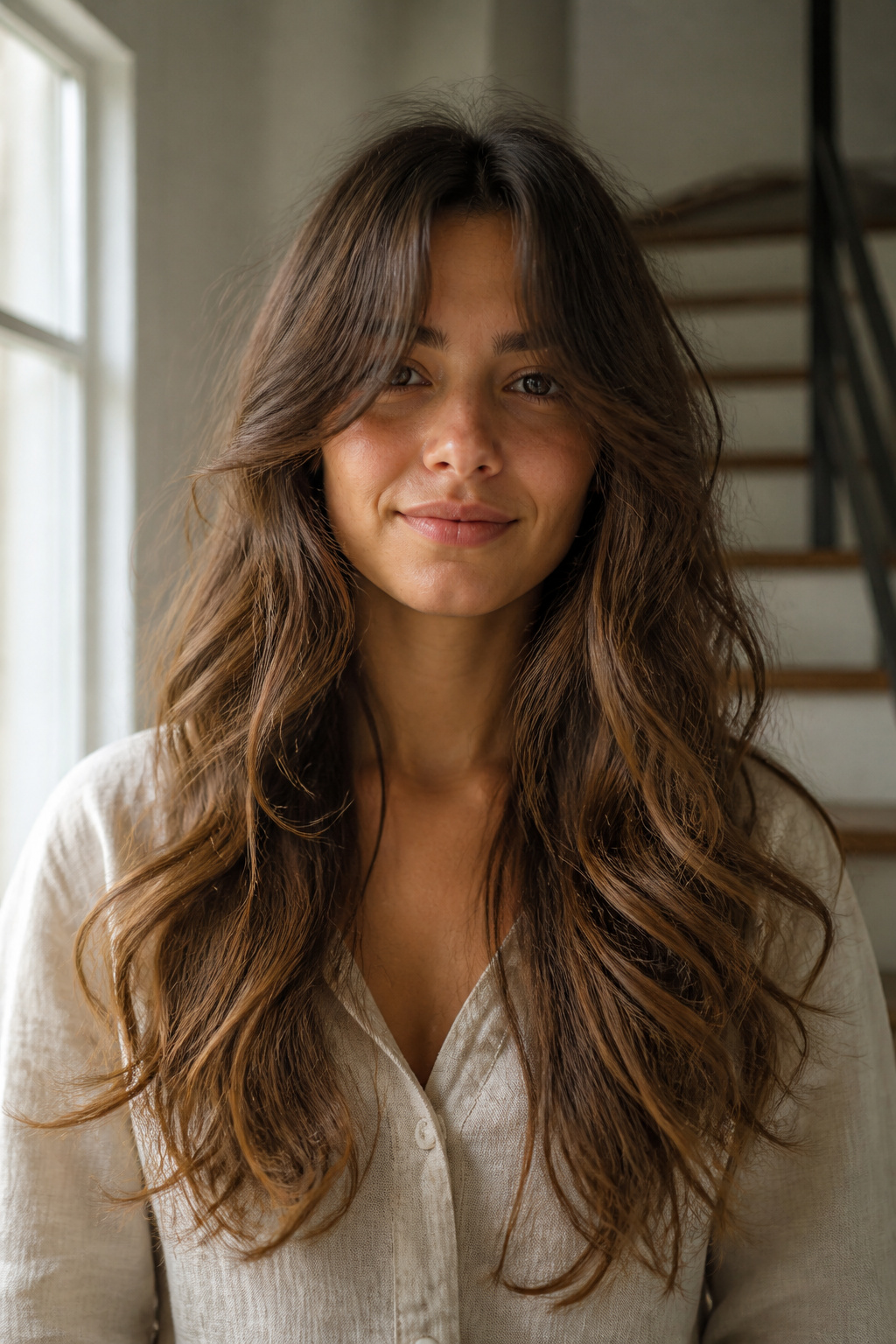

Best for wavy-curly textures. Trim every 4 to 6 weeks. About 6 to 9 minutes daily.
This version emphasizes root volume at the center, giving a Bardot lift without heavy styling. I ask for a dry cut so the stylist can judge shrinkage, then set the fringe with a creaseless clip at the cheekbone to train the bend. The technique to avoid is wet drying the entire head flat; that removes the root lift this look depends on. Use a light mousse and diffuse with low heat.
Rounded Bangs with a Smooth Blowout for Polished Days


Best for short to medium hair that tolerates heat. Trim every 5 to 7 weeks. About 10 to 15 minutes with a round brush.
If your bangs were cut too short or you want a neat finish for an event, a rounded blowout creates polish. I use a medium round brush to roll the fringe forward then back slightly to create a soft arc. Honesty: I overdid heat once and lost natural texture for two wash cycles, so keep heat low and finish with a light mist for hold. This is the move when you want sleek without pinning.
Voluminous Bangs Using Upside-Down Diffusion
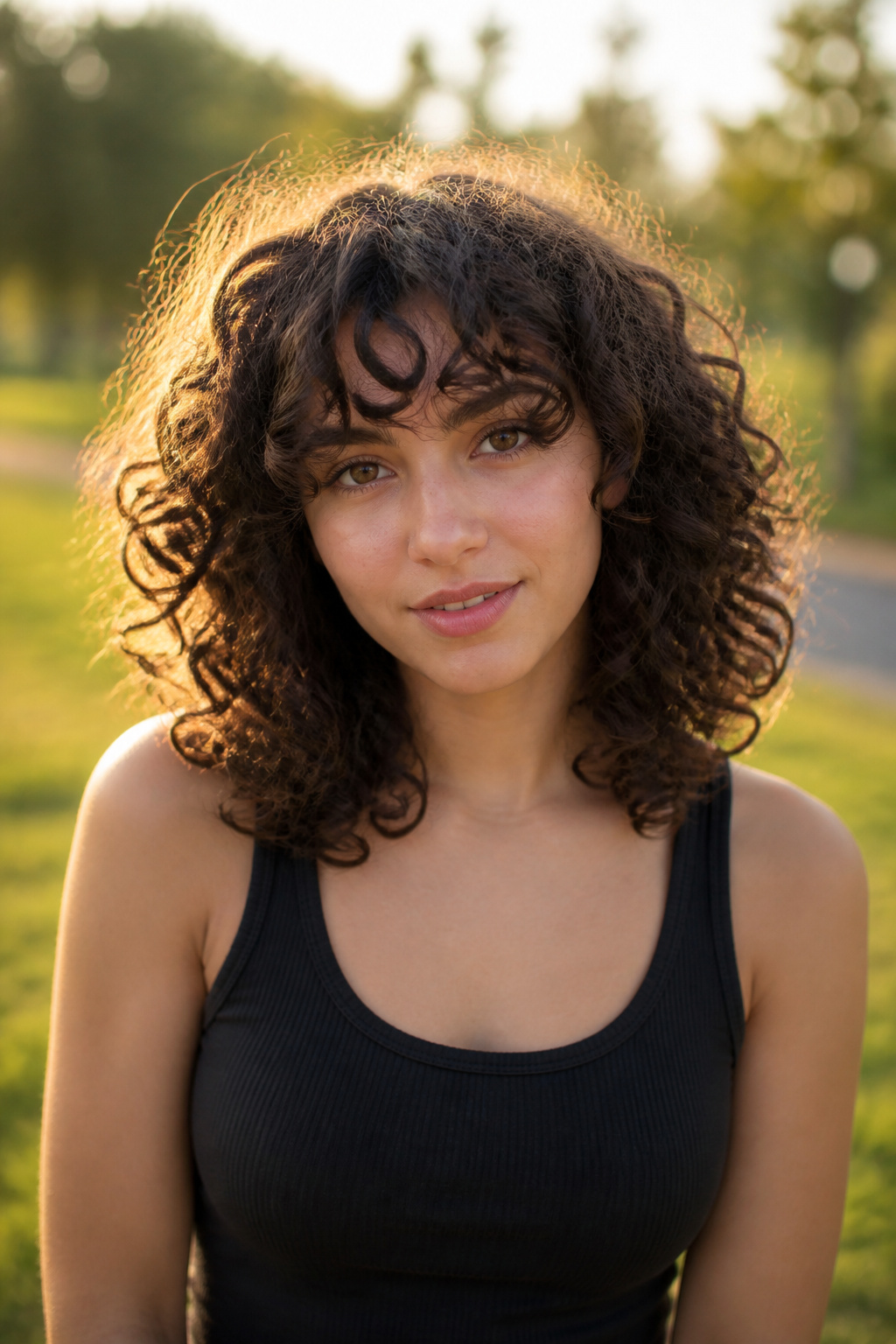

Best for full bangs that need root lift. Refreshes survive humidity better. About 8 to 12 minutes to dry.
Flip your head to boost volume at the roots, then cup the fringe forward and finish upright. The upside-down diffuser move adds lift without crushing the curl pattern. A lot of people mistake more product for more volume; use mousse for lift and a flexible gel at the roots only. This method saved my bangs when humidity flattened them into a limp line.
Piecey Curly Bangs for an Editorial, Textured Look


Best for people who want texture rather than fullness. Trim every 6 to 8 weeks. About 5 to 10 minutes.
Piecey bangs use paste or pomade for separation and a modern, editorial finish. I apply a pea-size amount to my fingertips and pull through small curl clusters to create gaps and movement. Do not overwork the product or the bangs will look greasy; less is better. This is not the look for someone who wants a soft, airy fringe—this is deliberately styled.
Long Layered Curls with a Soft Fringe
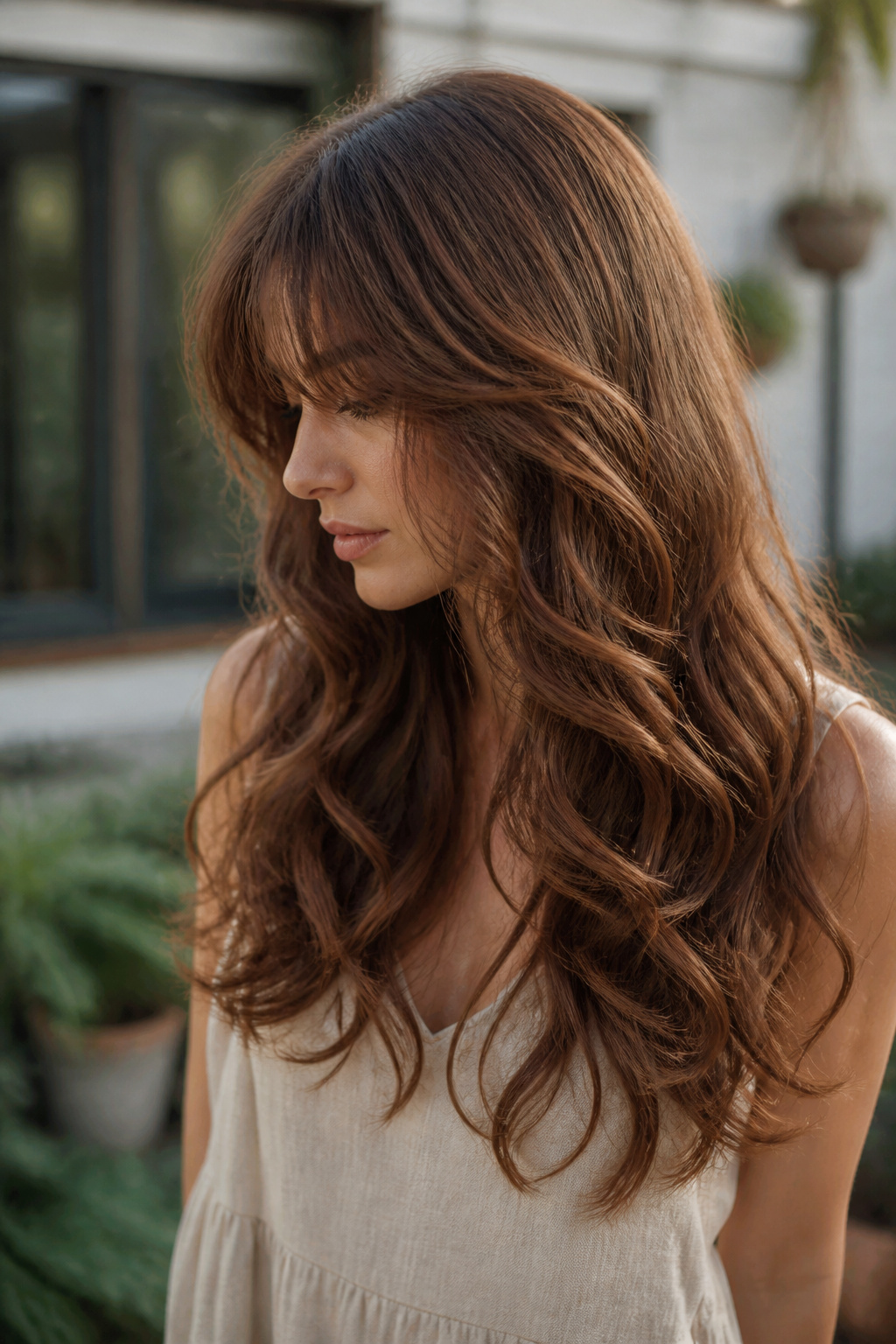

Best for long thick hair. Grows out gracefully. About 5 to 8 minutes to style.
If you have a lot of hair, long layers keep weight distributed so bangs do not overpower your face. Ask for the fringe to be left slightly longer and blended into the sides so it grows out without a band. The key technique is to use lightweight volumizing foam at the roots and finger-separate the front pieces. A common mistake is chunky one-length layers that add bulk; layering is everything here.
Medium Curly Shag with Airy Fringe


Best for medium lengths and thick curls. Trim every 6 to 8 weeks. About 6 to 9 minutes.
The shag uses lots of short layers to give bounce and reduce heaviness, with a fringe that merges into the top layers. I love this for thick hair because you get movement without losing shape. Tell your stylist to use vertical point-cutting so the fringe is airy rather than one solid mass. The shag is not a set-and-forget; it rewards a quick morning scrunch and a light cream.
Short Curly Bangs on a Bob for Instant Attitude
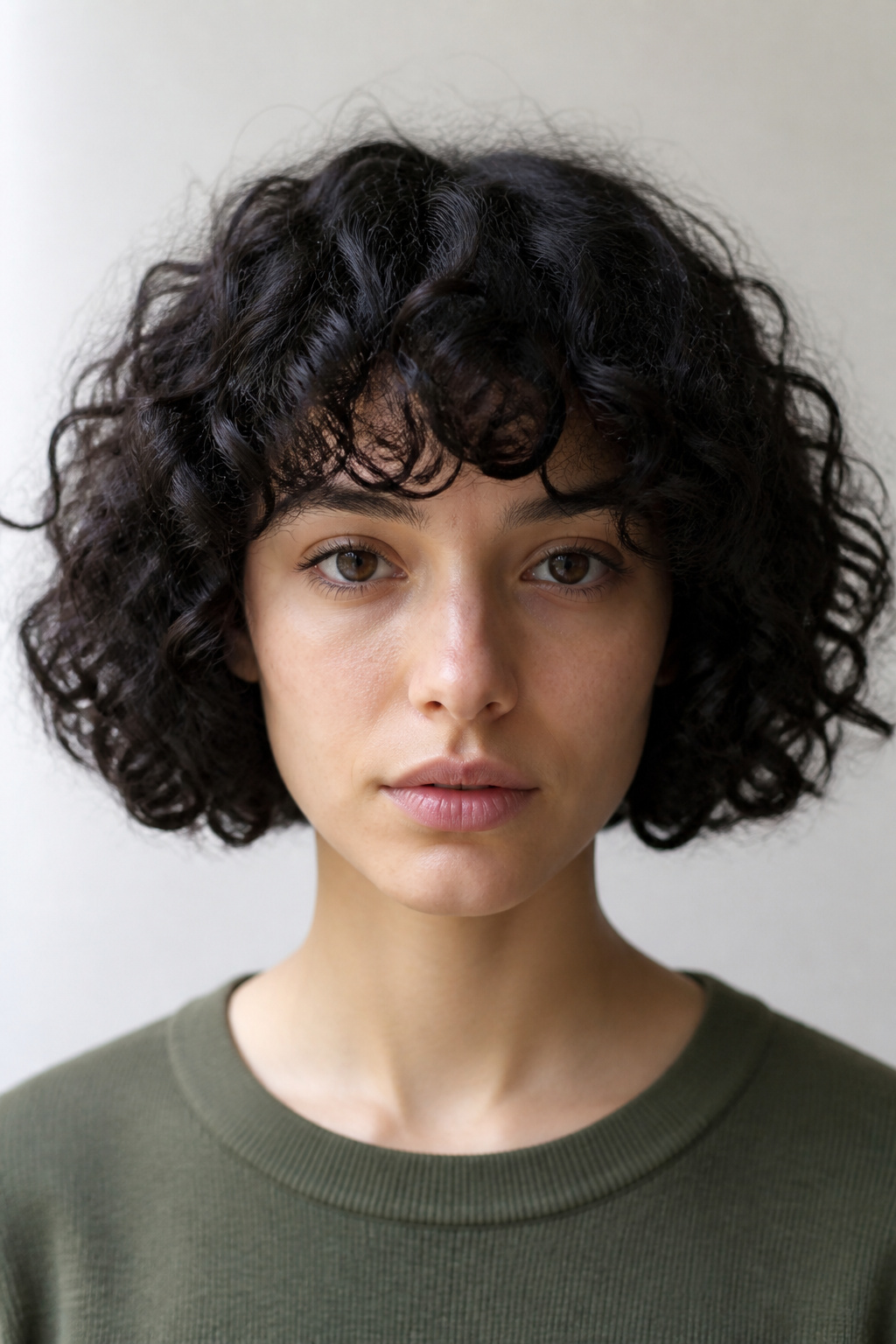

Best for chin to jaw-length cuts. Trim every 4 to 6 weeks. About 5 to 7 minutes daily.
A short curly fringe on a bob is bold and eye-catching. It draws attention to the eyes and suits people comfortable with maintenance since the shape shows as it grows. I ask for a dry cut to get the true length and then style with mousse and a diffuser on low. Do not let the stylist overthin the bang; I had that mistake once and it refused to sit right for months.
Test-Drive Bangs Using Face-Framing Diffusion
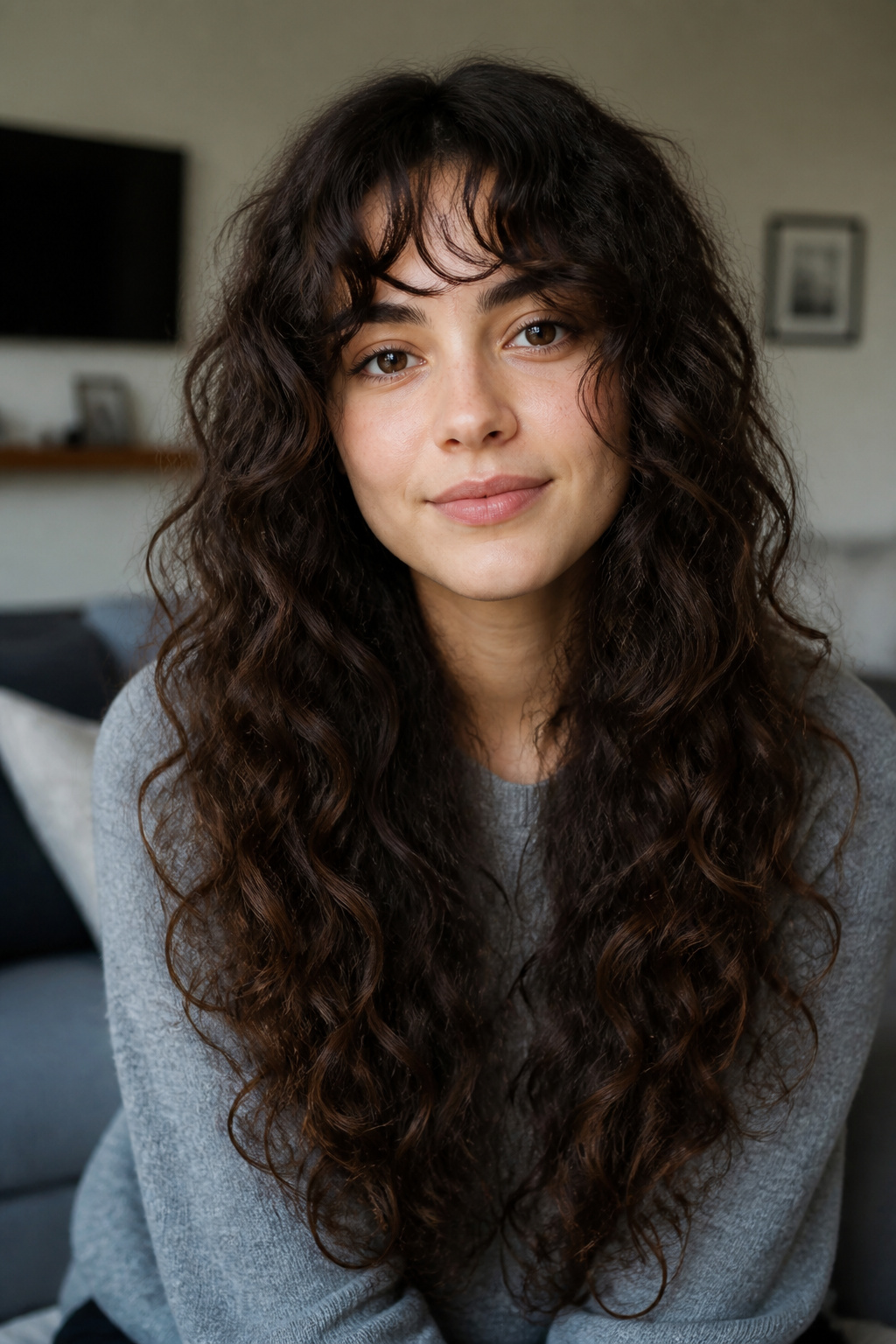

Best for commitment-phobes and first-timers. No cut required. About 3 to 5 minutes to test each morning.
Before you chop, try diffusing the front curls a bit shorter than the rest to simulate bangs. I did this for two weeks and decided whether curtain or wispy was my vibe. The technique is simple: separate the face-framing sections, apply a little product, and diffuse them forward while the rest dries normally. If they collapse, you know a full cut needs more styling commitment.
What You'll Need to Get This Look
Heat Tools
- Hair dryer diffuser attachment ($20 to $40) good for low-heat drying and root lift.
- 1.25-inch ceramic curling wand ($40 to $90) for touch-ups and shaping curtain pieces.
- Medium round brush, 1.5-inch barrel ($15 to $30) for blowout rounding and Bardot lift.
Styling Products
- Alcohol-free volumizing mousse, 8oz ($12 to $25) for root lift without crunch.
- Lightweight leave-in conditioner, 6oz ($10 to $22) for slip and hydration.
- Flexible hold curl gel, 5oz ($8 to $20) to define bangs without stiffness.
Hair Care and Protection
- Microfiber hair towel wrap ($8 to $15) prevents frizz while prepping.
- Heat protectant spray, 4oz ($10 to $20) for the days you smooth bangs with heat.
Accessories and Finishing
- Creaseless clips, pack of 6 ($6 to $15) to set curtain shapes.
- Small styling pomade or paste, 2oz ($8 to $20) for piecey definition.
Budget Swaps
- Drugstore volumizing foam, 6oz ($6 to $12) cheaper and often fine for trial runs.
- Affordable diffuser with universal fit ($15 to $25) works well if you are not ready to splurge.
Shopping Tips for These Looks
Buy tools during holiday sales: Blowout tools drop 20 to 30 percent in November. I waited and grabbed a 1.25-inch ceramic curling wand.
Choose lightweight formulas for bangs: Use the Alcohol-free volumizing mousse, 8oz on the roots and half that amount on the fringe.
Try drugstore dupes first: A cheap Microfiber hair towel wrap and a budget diffuser can teach you the routine without commitment.
Time haircuts with seasons: If you live somewhere humid, schedule trims before summer so you have a fresh shape heading into sweaty months.
Frequently Asked Questions
How do I keep my bangs frizz-free all day?
Start with soaking wet application, use a lightweight gel on the fringe only, and diffuse on low heat with minimal touching. Finish with a light mist of anti-frizz spray like this leave-in spray.
Can curly bangs work for fine hair?
Yes. Pick a wispy or curtain shape and ask for the fringe to be left slightly longer so curls do not disappear. Use a volumizing mousse at the roots such as this volumizing mousse.
What if my bangs go flat during the day?
Boost the roots with upside-down diffusion or a quick scrunch using a bit of mousse. A travel size flexible hold gel helps revive definition without crunch.
How often should I trim curly bangs?
Generally every 4 to 6 weeks for short styles and 6 to 8 weeks for longer, blended fringes. If you want a softer grow-out, ask the stylist to leave length that can be swept to the side.
Is it okay to heat-style my curly bangs?
Occasionally. If you smooth bangs, always use a heat protectant like this heat protectant spray and keep temps low.
Where to Start
Start with the simplest trial: the pineapple test-drive or diffuse the front pieces for a week to see how your curl pattern behaves. If you want a low-maintenance change, ask your stylist for curtain or wispy bangs cut dry. Which shape are you leaning toward first, curtain lift or something choppier?