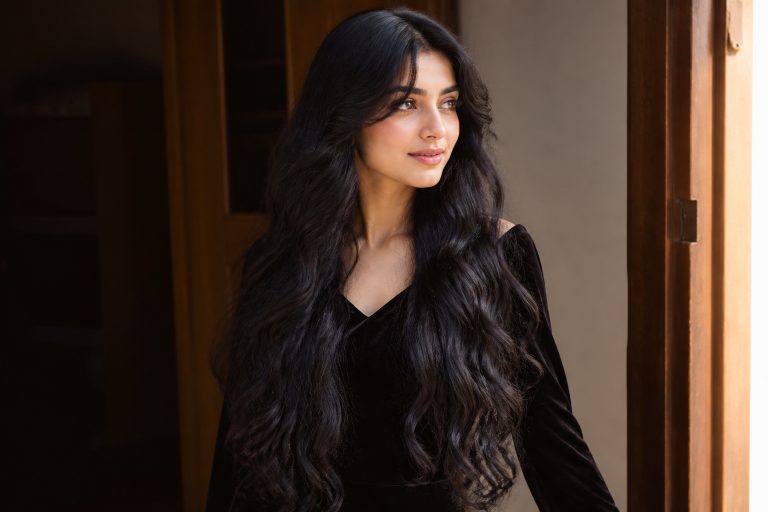




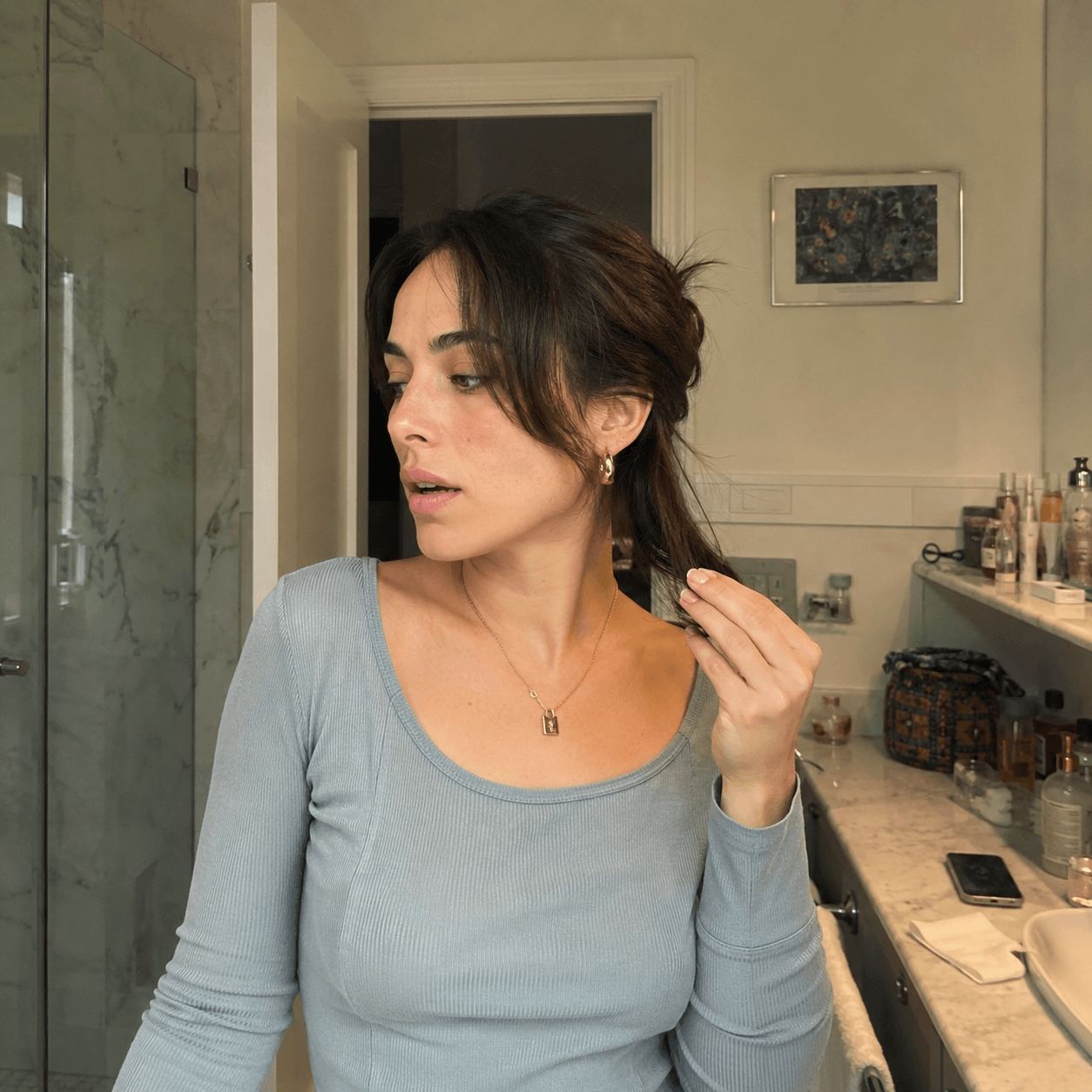


How to grow out bangs felt impossible for me until I stopped treating the awkward months like punishment. My bangs would split at the center by 10 a.m. and my colleague asked if I’d shaved a stripe across my forehead. The change that fixed it was thinking like a stylist: train the direction, remove weight, and use pins as design instead of hiding.
This is a routine for turning awkward bangs into a face-framing curtain without living in bobby pins for months. Expect one salon visit for shaping and a few minutes each morning for styling. It works best on collarbone-length to long hair, fine to medium density, and on naturally straight to slightly wavy textures. If you have very tight curls, the pin and braid options still work; swap heat for smoothing creams and diffuse at low heat.
Root lift that trains your fringe
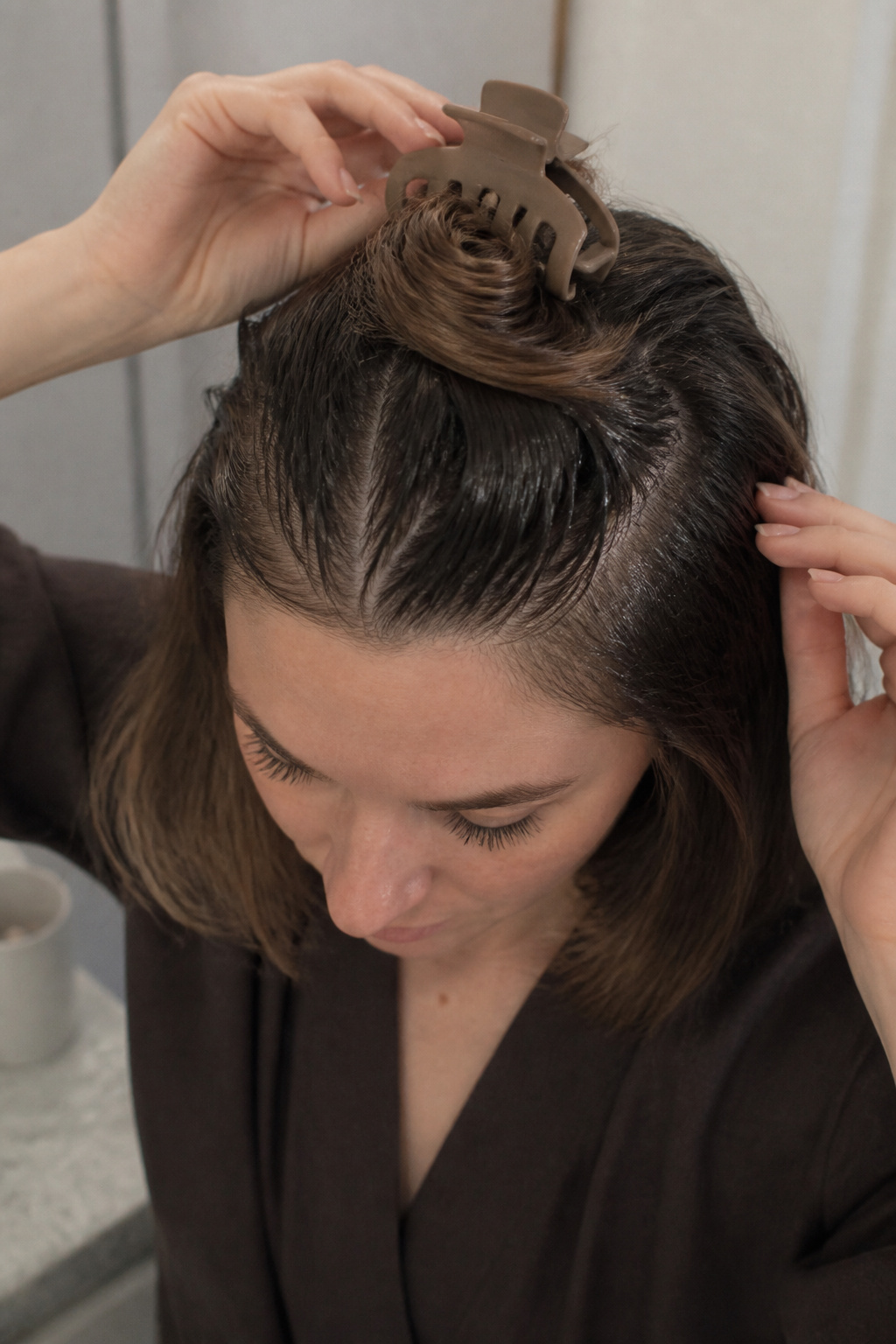

Prep decides how long the style holds, so this is the first move. On freshly washed, towel-dried hair, I work a golf-ball-sized amount of alcohol-free mousse into the roots of my fringe and crown only. The ends get no mousse because they need movement, not stiffness.
I mist a coin-sized spray of heat protectant through the mid lengths and run my fingers through to distribute. Rough-dry to about 80 percent while flipping the fringe away from your face with your fingers and the blow dryer nozzle aimed down the hair shaft for shine. Use low to medium heat so you are drying, not cooking, the strand.
Section the front into two triangles from temple to temple. Anchor the top section with a clip. With a medium round brush, pull the fringe up and back and follow with the dryer until the root sets. The mistake people make here is over-brushing damp hair; you end up flat instead of lifted.
If you want a product I use for lift, an alcohol-free volumizing mousse keeps the root airy without tack. I link it in the kit so you can find a version that matches your budget.
Quick pinned looks that hide awkward lengths
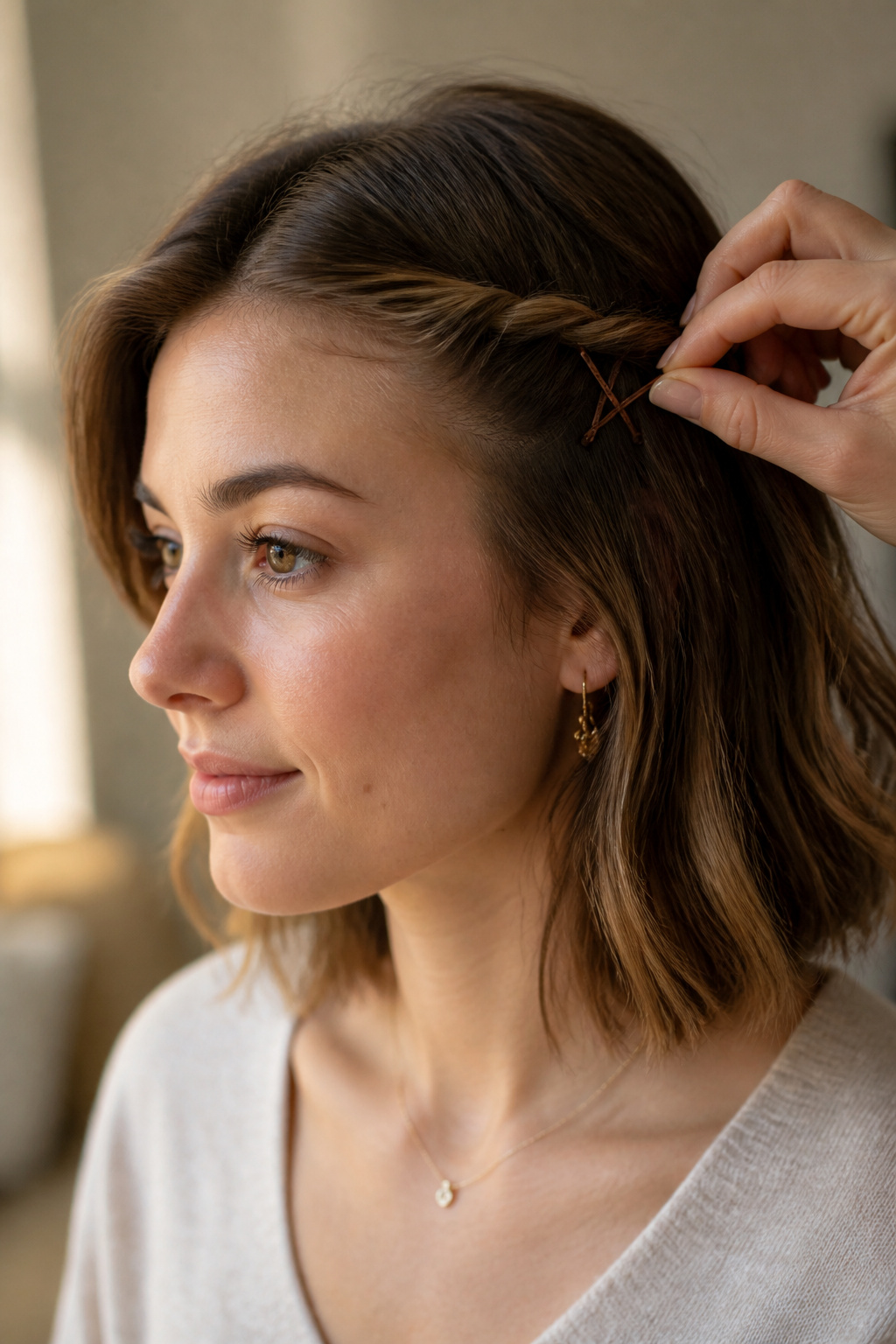

When mornings are tight, pins and headbands are the answer. For bangs that are too short for a full tuck, sweep the front to a deep side part, twist a one-inch section toward the temple, and secure with two bobby pins in an X. The cross anchor keeps pieces that want to fall out of place throughout the day.
For very short baby bangs, a small S-shaped tuck works. Use a coin-sized dab of clear styling gel on damp fringe, comb it where you want it, then push it behind the ear and catch it with a tiny elastic under the top hair. The gel I like gives hold without the crunchy look, but if you try a heavy pomade you will end up greasy by midday, which is what I learned the hard way.
Headbands are not just for dorm rooms. Place a soft fabric band two inches back from the hairline and push the fringe up a touch so it creates a little quiff over the band. Finish with a light mist of hairspray.
A salon nudge that makes it grow into curtain bangs
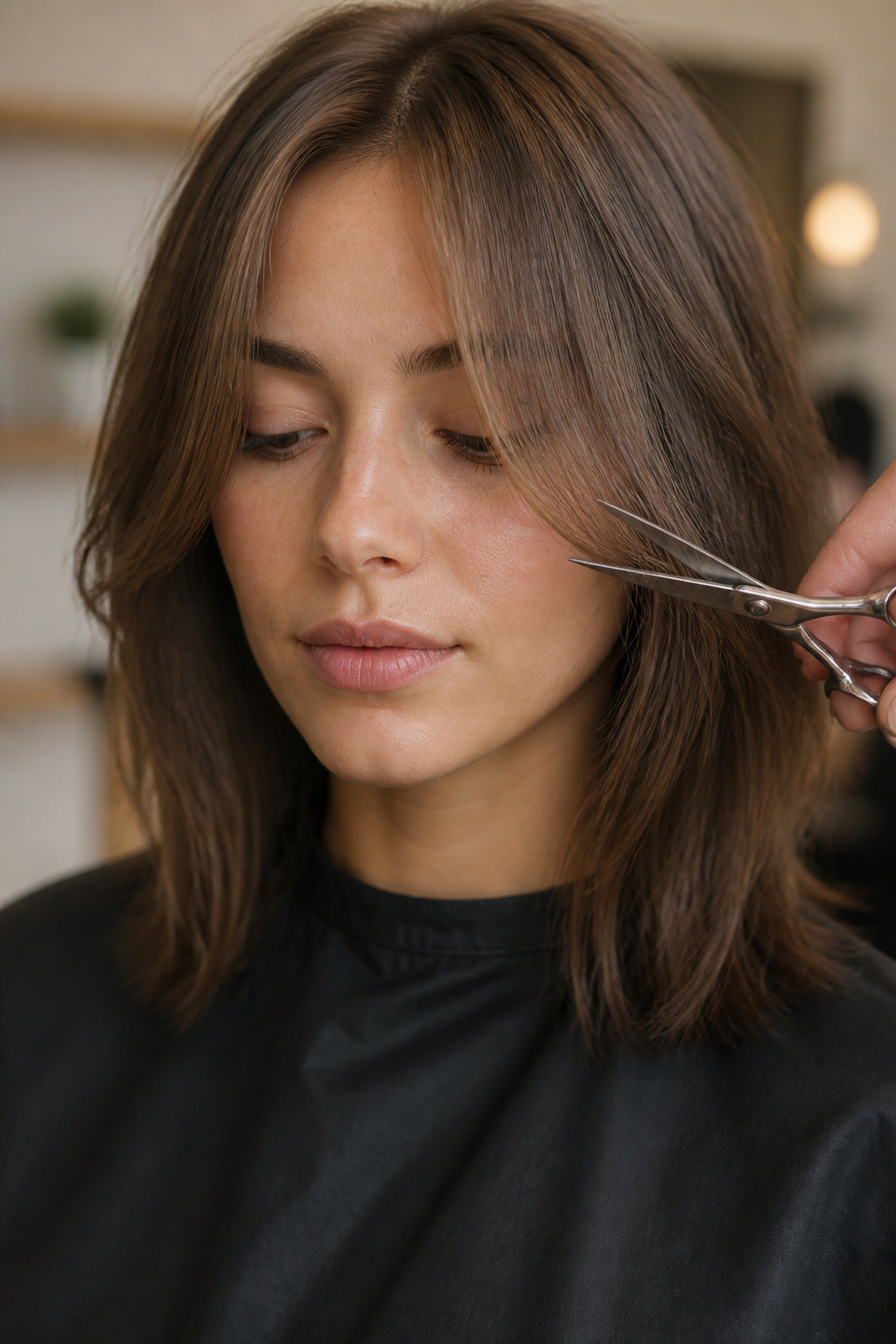

If you want the cleanest grow-out, ask your stylist for a soft curtain fringe and to remove weight rather than shorten. Tell them you want the shortest pieces to sit at the cheekbone and longer pieces toward the jaw. Request chipping or point-thinning at the ends to avoid a heavy horizontal ledge.
A small trim every six to eight weeks keeps the shape tidy. Resist the urge to ask them to re-blunt your bangs; that takes you backward. My stylist showed me how angled trimming smooths the transition. It felt like a small investment that spared me months of awkward half-bangs.
If texture is your friend, ask for long face-framing layers to blend the fringe into the haircut. That gives movement that makes the in-between lengths look intentional.
Waves and texture that blend the line


When your bangs reach brow to cheekbone length, waves do the blending for you. I use a 1.25 inch ceramic wand at 300 degrees Fahrenheit for my medium density hair, wrap away from the face in two-inch sections, and leave the last inch out for a lived-in finish. That open spiral tucks the fringe into the wave instead of creating a blunt line.
After curling, let the hair cool completely and then finger-rake with a drop of lightweight oil on the palms. This adds separation so the shorter pieces slip into the longer ones. A texturizing spray on the roots before bed helps hold the shape without stickiness.
The mistake here is using a giant barrel and brushing everything out. You lose the tuck that hides the edge. Small, controlled S-waves are what make the transition invisible.
Common styling mistakes to avoid
Trying to slick the fringe flat for hours. A flat finish makes every regrowth line obvious and kills volume. Instead, lift the roots early with mousse and a round brush.
Relying on heavy products for hold. Too much gel or wax grooms the fringe into a greasy strip by midday. Use a light gel for micro-tucks and a medium-hold hairspray for root direction.
Cutting bangs shorter to "fix" awkwardness. Shortening sends you back to day one. Ask for thinning or angled shaping if weight is the problem.
Overheat styling while hair is still damp. That steams the strand and the shape collapses. Rough-dry to 80 percent first and use medium heat when you finish.
How to make it last
Day two the root lift weakens first. Revive it by spritzing the roots with a little water or texture spray and re-blow-drying only the fringe while holding it off the face with your fingers. Dry shampoo at the part adds grip without powdery buildup.
For pin styles, tuck a tiny bit of texturizing spray on the pinned section under the top layer so the pins bite. If curls lose definition, wrap just the face-framing pieces again on a low setting; you do not need a full re-curl.
If humidity ruins your day, switch to a slick-back or braid for that outing. It hides frizz and keeps the fringe controlled until you can restyle.
What you'll need for this look
-
Heat tools
Blow dryer with concentrator nozzle ($30 to $150). Choose a dryer with an included nozzle to direct airflow for root training.
1.25 inch ceramic curling wand ($25 to $120). The barrel size I use makes soft S-waves that tuck shorter pieces. -
Styling products
Alcohol-free volumizing mousse, 8oz ($8 to $25). Use at the roots only.
Lightweight medium-hold hairspray, 7oz ($7 to $20). Locks direction without crunch.
Clear strong-hold hair gel, 6oz ($5 to $18). For tiny tucks and slicked looks.
Dry texture spray, 5oz ($8 to $22). Gives grip for pins and braids. -
Care and protection
Thermal protectant spray, 6oz ($7 to $30). Spray mid lengths before any heat.
Lightweight shine oil, 1oz ($6 to $28). Use a pea-sized amount on ends to finish. -
Accessories and finishing
Bobby pins, 50 pack ($4 to $10). Get small, matte pins for invisible anchors.
Small claw clip ($5 to $20). For holding the top section while you train roots.
Soft fabric headbands, pack of 3 ($8 to $25). Quick polish for gym or commute.
Mini clear elastics, 100 pack ($5 to $12). Hidden tucks need tiny elastics.
Budget swap note. If you own a basic blow dryer and a round brush, you can skip the higher-priced tools at first. Invest in a good wand if you plan to maintain waves; it lasts years.
Where to start if you only change one thing
If you do one thing differently, train the direction: mousse into the roots, rough-dry while pushing the fringe away from your face, and finish with a round brush. Do that for two weeks and you will see how much less you rely on pins. What trick worked best for you when growing out bangs? Tell me below.