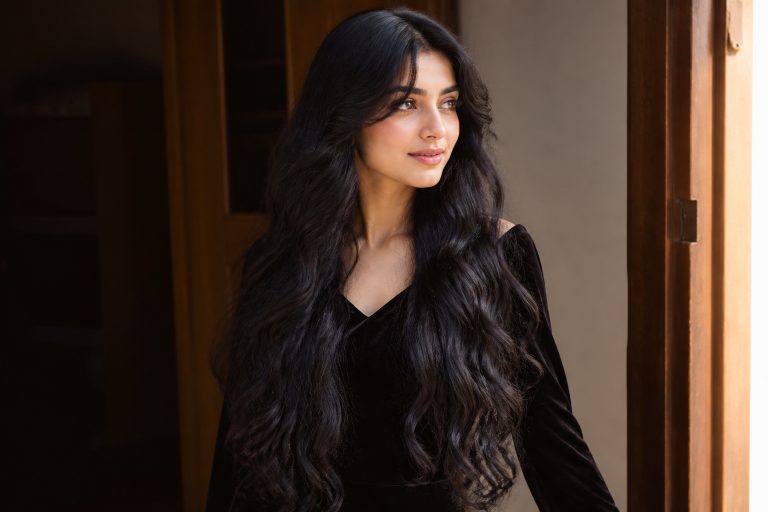





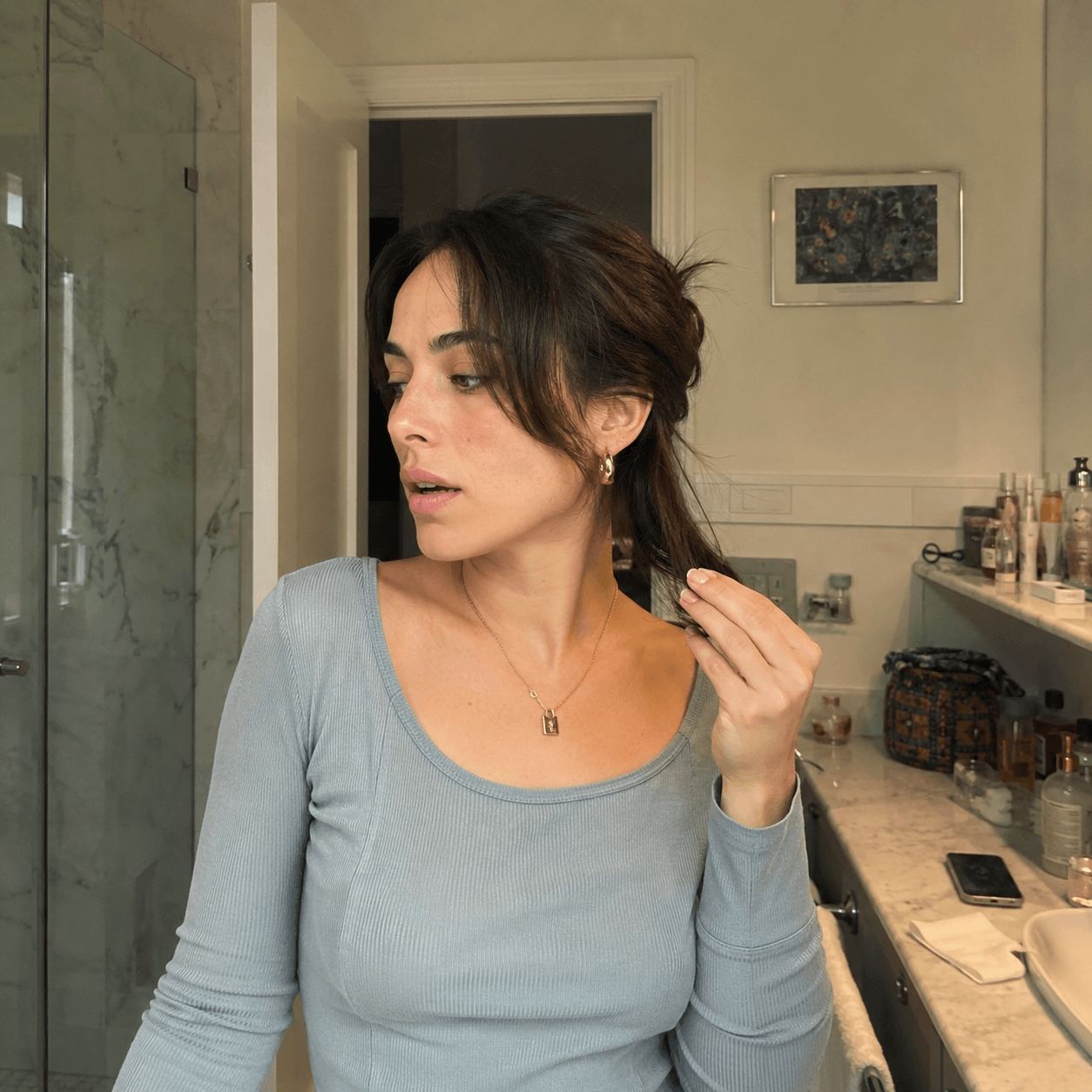


I once asked my stylist for something low-commitment and left with curtain bangs that everyone called “effortless.” They actually were easy to live with, which surprised me, and they taught me how much a soft fringe can change the face without the drama of a blunt cut. Below are 15 curtain bangs looks I’ve tried or tested on friends, with options for short, medium, and long hair and for straight, wavy, and curly textures.
These ideas aim for a relaxed, lived-in vibe you can style in five to ten minutes on most mornings. I include a few no-product looks, the wet-tuck grow-out trick that saved my awkward months, and one honest flop where too much mousse ruined the shape.
15 Curtain Bangs Looks That Frame Your Face Without the Drama
Curtain Bangs to Soften a Strong Jawline
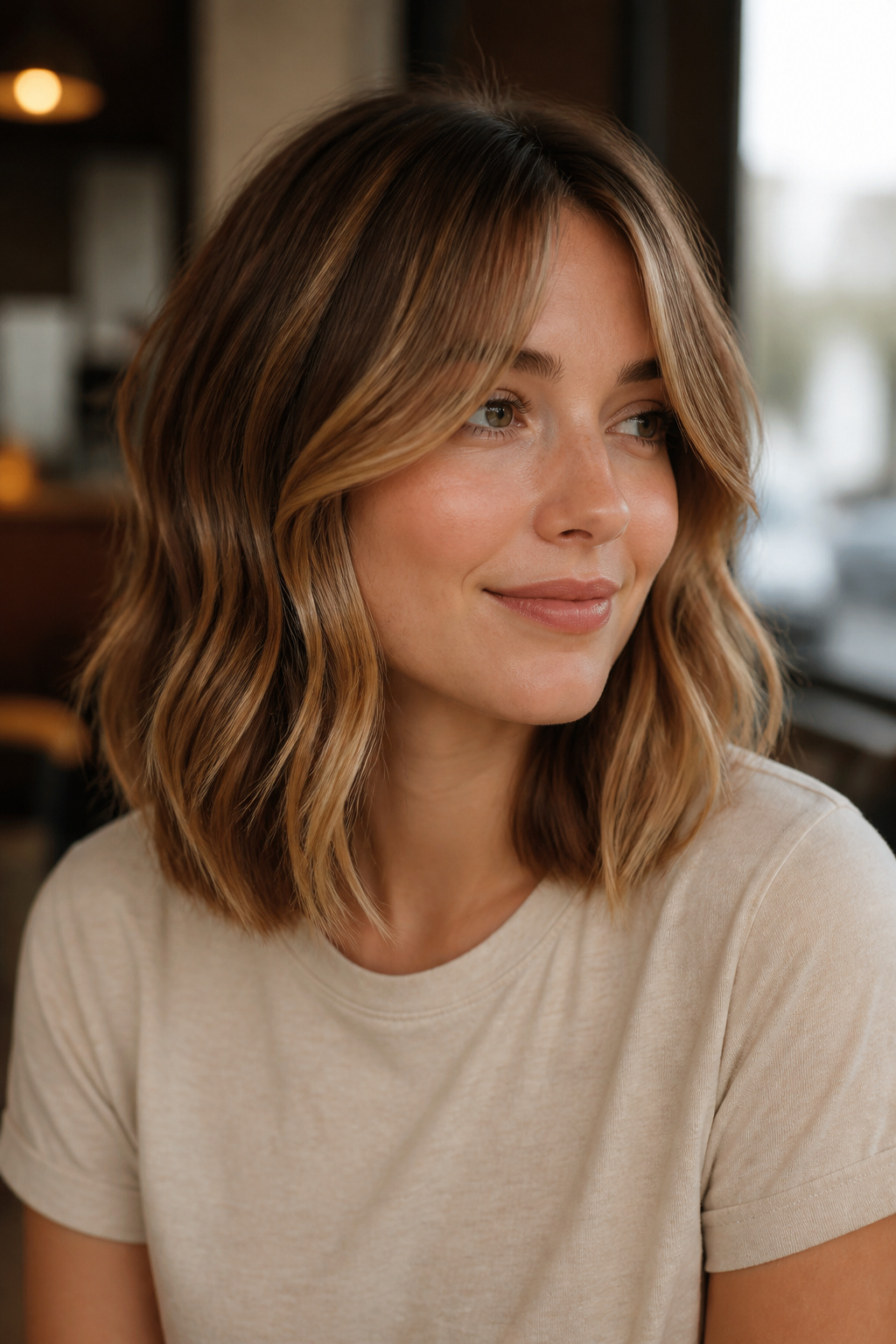

Best for medium to thick hair. Trim every 8 to 10 weeks. About 6 minutes to blow-dry into shape.
This lifts a square or strong jaw without a harsh line. The shortest point hits around the brow and the longest pieces skim the jaw, so the fringe adds softness and movement. The trick is a medium-barrel round brush and a blow-dry away from the face, finishing with a quick cool blast so the bend sets. Avoid cutting the sides too bluntly. If you over-layer here, the fringe can look straggly rather than soft.
French-Girl Curtain Fringe with a Soft Part


Best for straight to wavy hair. Trim every 10 to 12 weeks. About 3 to 5 minutes each morning.
This is the breezy, low-maintenance version I reach for when I want relaxed framing. Ask your stylist for a fringe that starts 2 to 3 inches back from the hairline and angles longer toward the temples. The styling move is minimal: slightly dampen, finger-part, and let the natural texture do the work. Most people make it look too deliberate by over-smoothing; leave a little piecey movement for that lived-in French feel.
Jawline-Grazing Curtain Bangs with Velcro Set
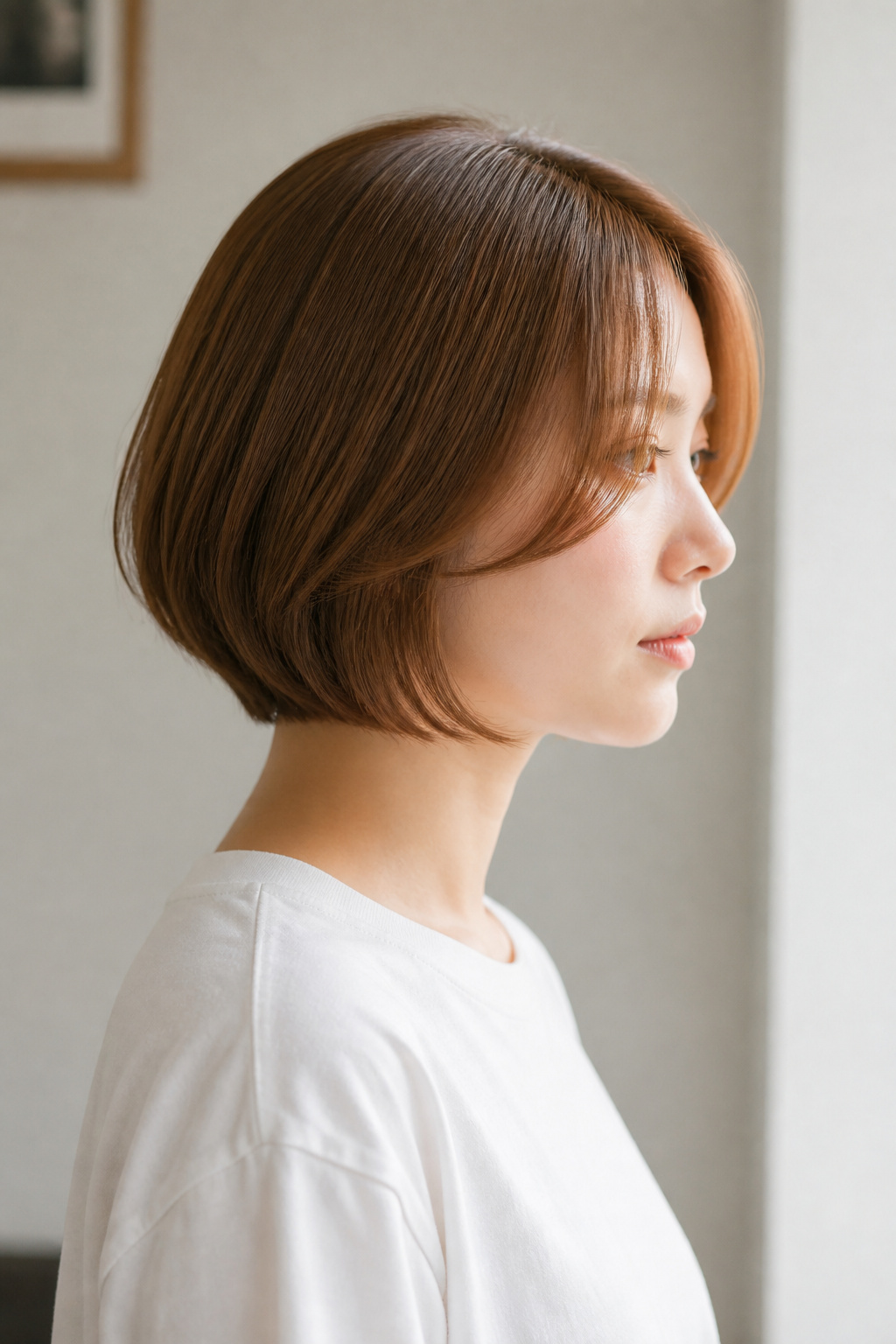

Best for straight to slightly wavy hair. Trim every 6 to 8 weeks. Set with rollers for 6 to 8 minutes.
I use a single 1.5-inch velcro roller on each side while the bangs cool to create a polished sweep. It gives lift at the root and a controlled curve that lasts the day. The technique detail: roll away from the face and pin only until fully cool. Mist lightly with flexible-hold hairspray. A common mistake is leaving rollers in too long so the ends flip oddly; cool fully, then release gently.
Long Curtain Bangs That Blend into Layers


Best for long hair. Trim every 10 to 12 weeks. About 6 to 8 minutes to style.
Long curtain bangs are my go-to when I want face-framing without losing length. They’re shortest at the center and taper toward the cheekbones, blending into layers so grow-out looks intentional. When curling the lengths, stop the barrel below the ear so the fringe folds naturally into the waves. Don’t let the bangs get weighed down by heavy creams; the look depends on soft, airy movement.
Curtain Bangs for Short Hair, Rough-Dried


Best for short to very short hair. Trim every 6 weeks. Rough-dry for a modern finish.
Vogue’s short-hair take is proof that curtain bangs don’t need long hair to read soft. Rough-drying creates a slightly undone edge that keeps the shape modern instead of retro. My honest moment: the first time I tried this with too much mousse it looked greasy and limp. The trick is to rough-dry with fingers and finish with a tiny dry-texture spray. If you try to over-smooth, you’ll lose the contemporary edge.
Center-Part Curtain Bangs with a Round Brush Finish


Best for fine to medium hair. Trim every 8 to 10 weeks. About 5 minutes to style with a brush.
This is classic curtain bangs, polished and sleek. The specific move is a medium-boar round brush, lift at the root, and wrap the ends outward to create a gentle sweep. Let the section cool on the brush before releasing. People often skip root lift and the bangs fall flat; start closer to the scalp and use a light heat protectant before blow-drying.
Grown-Out Curtain Bangs: The Wet Tuck Trick


Best for anyone growing out a fringe. No cut needed. Tuck wet and let dry for a blended finish.
When my bangs hit that awkward stage, I started tucking them behind my ears wet and letting them dry trimmed into the next layer. It made the grow-out look intentional and kept the pieces from flopping in my face. The one mistake is drying immediately without shaping; let them dry malleable and then nudge into place. No tool required, just a bit of patience.
Soft Curtain Bangs for Round Faces


Best for round faces and full cheeks. Trim every 10 weeks. About 4 minutes to style with a brush or fingers.
These are cut slightly longer toward the temples to slim and balance a round face. The visual payoff is subtle framing at the cheekbone that adds structure without heaviness. Use a small section size and a round brush to bend the ends outward just past the cheekbone. Don’t cut the center too short; that will shorten the face instead of lengthening it.
Blunt-Tapered Curtain Bangs for Thick Hair


Best for thick hair needing shape. Trim every 6 to 8 weeks. About 7 minutes to tame with a round brush.
When your hair has density, point-cutting the ends prevents a heavy curtain and keeps the movement airy. The technique is thinning shears on the underside only and soft point cuts on the ends. Avoid over-thinning at the root; you want lift, not a choppy gap. This look benefits from a light heat protectant and a little smoothing oil on the ends.
Curtain Bangs with Loose Waves
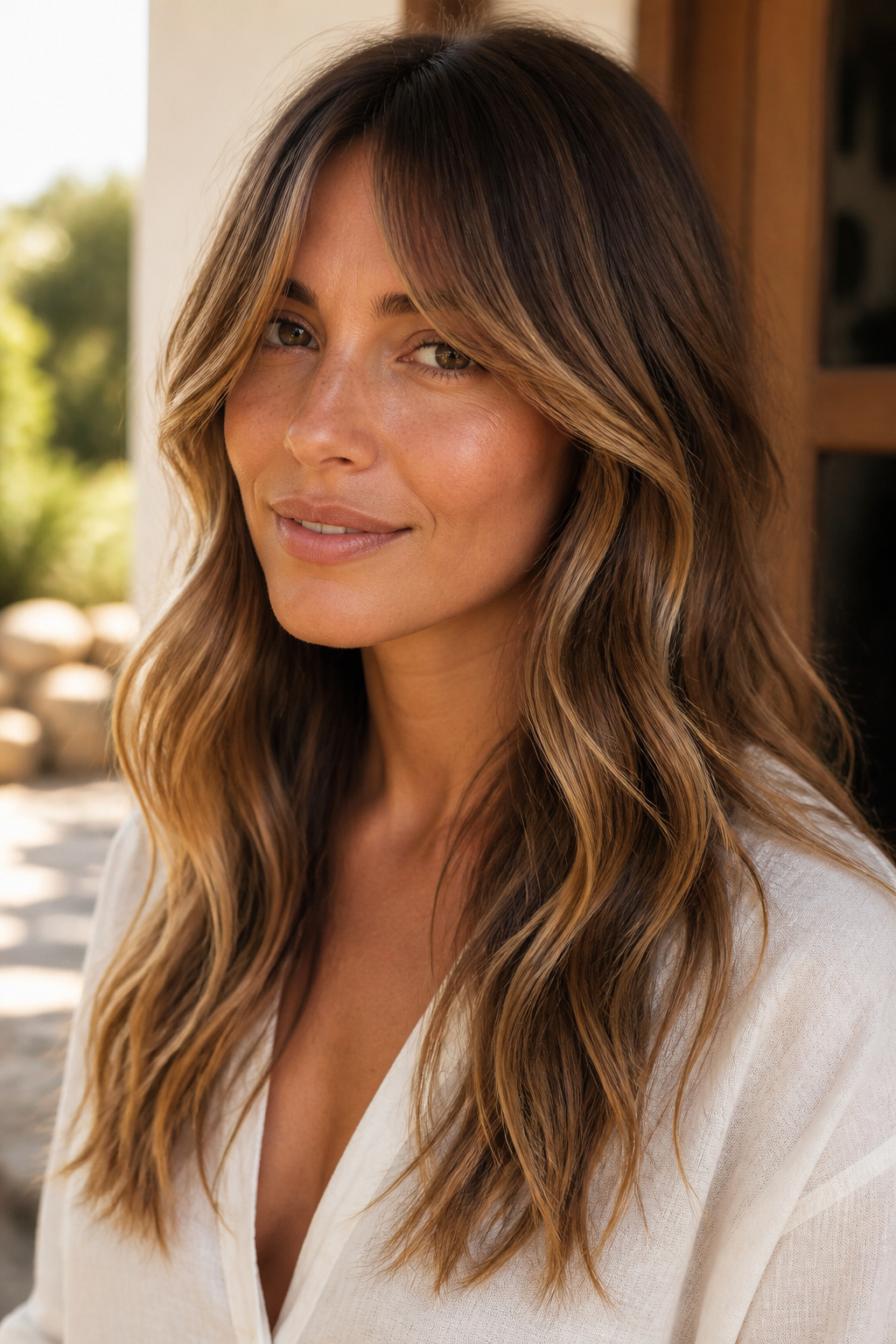

Best for long wavy hair. Trim every 12 weeks. About 8 minutes if you add waves.
This is the boho-forward version that looks undone, not messy, when done right. Use a 1.25-inch curling wand and clamp away from the face, stopping the barrel below the ear so the fringe folds into the waves. A common error is curling the bangs the same way as the lengths; instead, alternate direction and loosen with fingers. Finish with a light sea salt spray for texture.
Piecey Curtain Bangs for Fine Hair


Best for fine hair. Trim every 10 to 12 weeks. About 5 minutes using a small barrel or round brush.
For fine hair, piecey curtain bangs give the illusion of density. After a root-lift blow-dry, run a 1-inch barrel quickly through sections and separate with a tiny dab of texturizing cream. The mistake is overusing mousse, which can flatten fine hair; a little volumizing mousse at the roots goes a long way. This look reads modern and soft when done sparingly.
Rough-Dried Curtain Bangs for an Edgy Finish


Best for short to medium hair and textured looks. Trim every 6 to 8 weeks. Rough-dry and go for a lived-in finish.
If you want a more striking finish without a lot of polish, rough-dry the fringe with your fingers and leave a few uneven pieces. I love this when I am lazy but still want a statement. The honest warning: if your hair tends to frizz in humidity, this can go from cool to unruly fast. Keep a light anti-frizz balm on hand and avoid heavy waxes.
Point-Cut Blended Curtain Bangs


Best for anyone who dislikes a blunt line. Trim every 8 to 10 weeks. Works with most textures.
This cut is what salon pros reach for when they hear “soft, not sharp.” Point-cut ends to avoid a hard edge and ask your stylist to blend the fringe into the next-shortest layer. The result is a seamless, low-maintenance grow-out. Most people mistake a straight-across snip for curtain bangs; insist on tapering so it reads lived-in and modern.
Slicked Curtain Bangs for Second-Day Hair
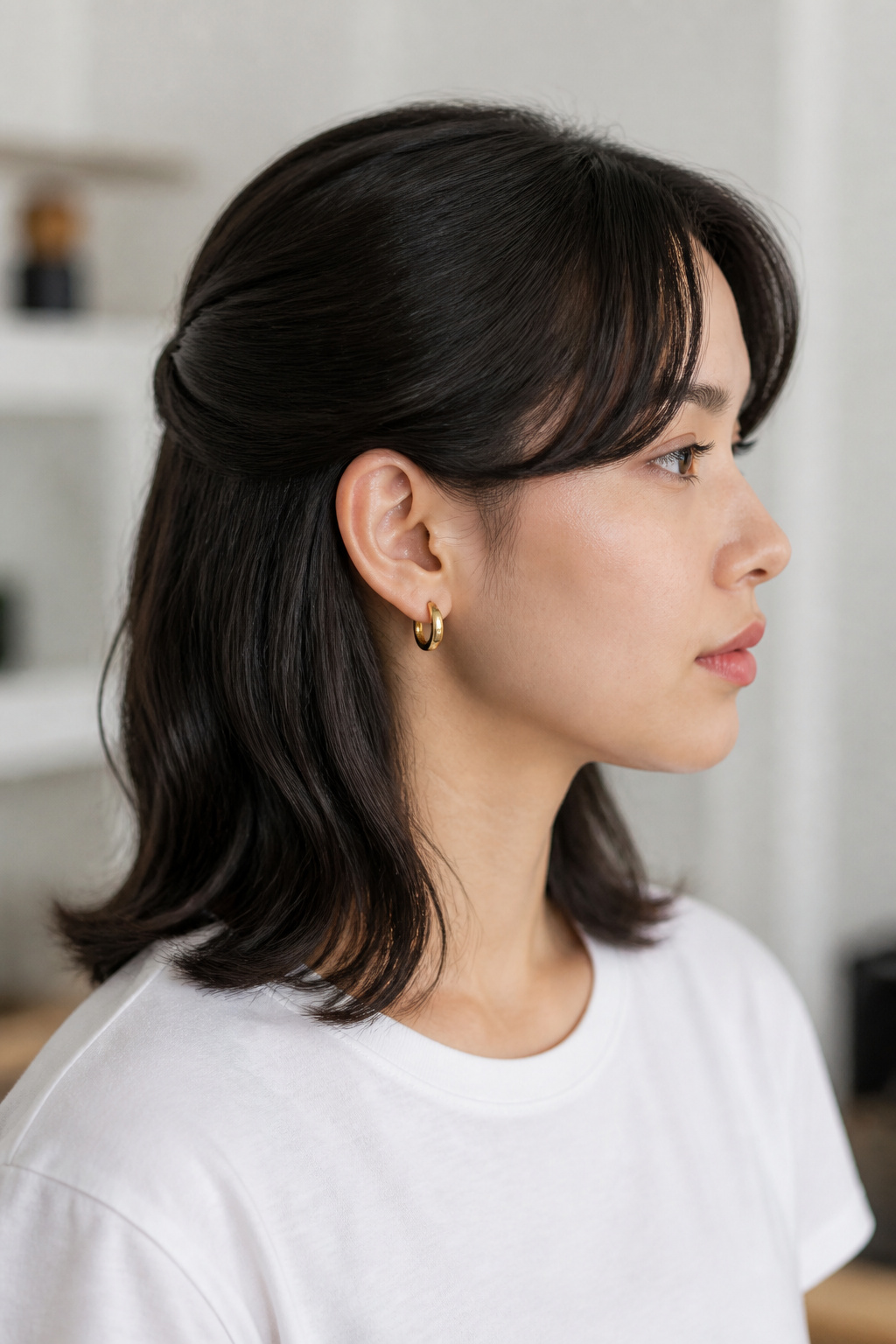

Best for second-day hair or greasy mornings. No cut needed. About 3 minutes to slick and pin.
When the bangs refuse to cooperate, smooth a tiny amount of light gel at the roots and sweep the curtain pieces back behind the ears. This keeps the face open while still showing the fringe shape. The trap is too much product, which stiffens movement; use the smallest pea-sized amount and blend. This trick saves a day and looks intentionally neat.
Curly Curtain Bangs That Keep Their Shape
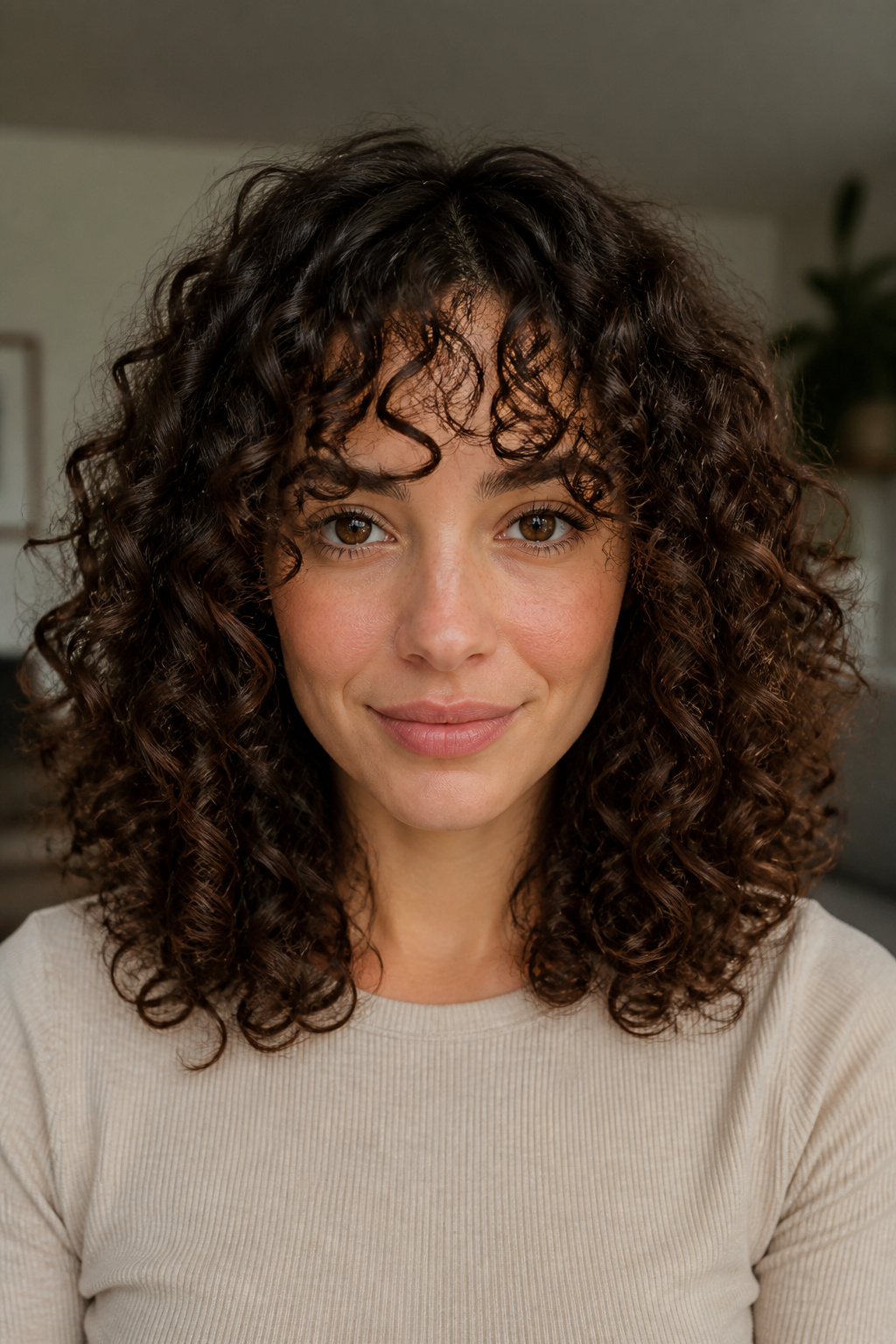

Best for loose to tight curls. Trim every 8 weeks to maintain shape. Use diffuser or air-dry.
Curly fringes can be a dream if cut with the curl pattern in mind. Ask your stylist to dry-shape the fringe so the shortest curl sits at the center and the sides are longer. The technique is to diffuse with low heat and define with a curl cream. A common error is cutting curls too short when wet; they shrink and can become a micro-fringe you didn't want.
What You'll Need to Get This Look
Heat Tools
- Hair dryer with concentrator nozzle ($40 to $120) good for shaping bangs with control.
- 1.25-inch ceramic curling wand ($25 to $60) ideal for loose S-waves.
- 1-inch titanium flat iron ($30 to $100) for smoothing and flicking ends.
- Medium barrel round brush, boar-bristle option ($12 to $30) the workhorse for bangs.
Styling Products
- Light-hold flexible hairspray, 6.7oz ($7 to $18) keeps movement without stiffness.
- Alcohol-free volumizing mousse, 8oz ($8 to $20) for root lift on fine hair.
- Sea salt texture spray, 5oz ($6 to $18) for boho texture.
Hair Care and Protection
- Lightweight heat protectant spray, 4oz ($10 to $25) protects without weighing down.
Accessories and Finishing
- Velcro rollers 1.5-inch set ($8 to $25) for bangs-only setting.
- No-crease clips, pack of 6 ($6 to $15) holds cooled bangs without dents.
Budget Swaps
- Revlon One-Step hot air brush ($30 to $70) a good cheaper blowout tool.
- Drugstore flexible hairspray, 6oz ($5 to $12) works nearly as well for daily use.
Shopping Tips for These Looks
Buy tools during sales. Blowout tools drop the most around November and Prime Day. I waited and saved on a 1.25-inch wand. 1.25-inch ceramic curling wand.
Opt for a medium barrel round brush. It gives the most versatile bend for bangs and length. If you have fine hair, choose boar-bristle. Medium barrel round brush, boar-bristle option.
Buy velcro rollers for quick setting. A small set saves mornings; you only need one or two rollers for the fringe. Velcro rollers 1.5-inch set.
Use drugstore dupes for everyday sprays. Save salon splurges for treatments and choose a budget flexible hairspray for daily styling. Drugstore flexible hairspray, 6oz.
Frequently Asked Questions
How often should I trim curtain bangs?
Trim every 6 to 12 weeks depending on how short the center is and how quickly your hair grows. Longer curtain bangs can wait longer than jaw-grazing ones.
Will curtain bangs work on curly hair?
Yes if your stylist shapes them dry to match your curl pattern. Cut a touch longer than you think because curls shrink when they dry.
What do I do when my bangs fall flat?
Lift the roots while blow-drying with a round brush, or set the fringe on a velcro roller until cool. A small spritz of volumizing mousse at the roots can help on fine days. Velcro rollers 1.5-inch set
Can I grow out curtain bangs without looking awkward?
Yes. Tuck damp bangs behind the ear and let them dry so they blend into layers. No cut required until you want to reshape.
Are curtain bangs high maintenance?
They can be low-maintenance if you choose a longer, blended version. Shorter center cuts need trims more often but are still easier than blunt bangs.
What product ruins curtain bangs fastest?
Heavy waxes and greasy creams. I once used a heavy mousse and my fringe looked limp and clumpy all day. Light, flexible products preserve movement.
Where to Start
If you want the least fuss, ask for a longer curtain fringe that tapers to the temples and try the wet-tuck grow-out trick for a few months. If you want to experiment, start with a rounded blow-dry and a single velcro roller on each side. Which of these looks would you try first?