






My first stylist tried to layer my fine hair into a shag and I left with pancake-flat ends that read thinner than before. After a few blunt cuts and a stacked bob experiment that actually worked on my crown, I realized the trick: bob hairstyles for fine hair need a strong weight line and targeted lift, not more chopping. Below are 14 bob ideas that fake fullness fast, plus exact things to ask your stylist.
These looks cover ear-length to collarbone bobs, straight and wavy textures, and simple morning routines. Most are five to ten minutes to style if you keep the cut compact. Lately everyone is favoring one-length weight lines and invisible internal layers for movement without losing density.
Bob Hairstyles for Fine Hair That Fake Fullness Fast
Chin-Length Blunt Bob That Frames the Face
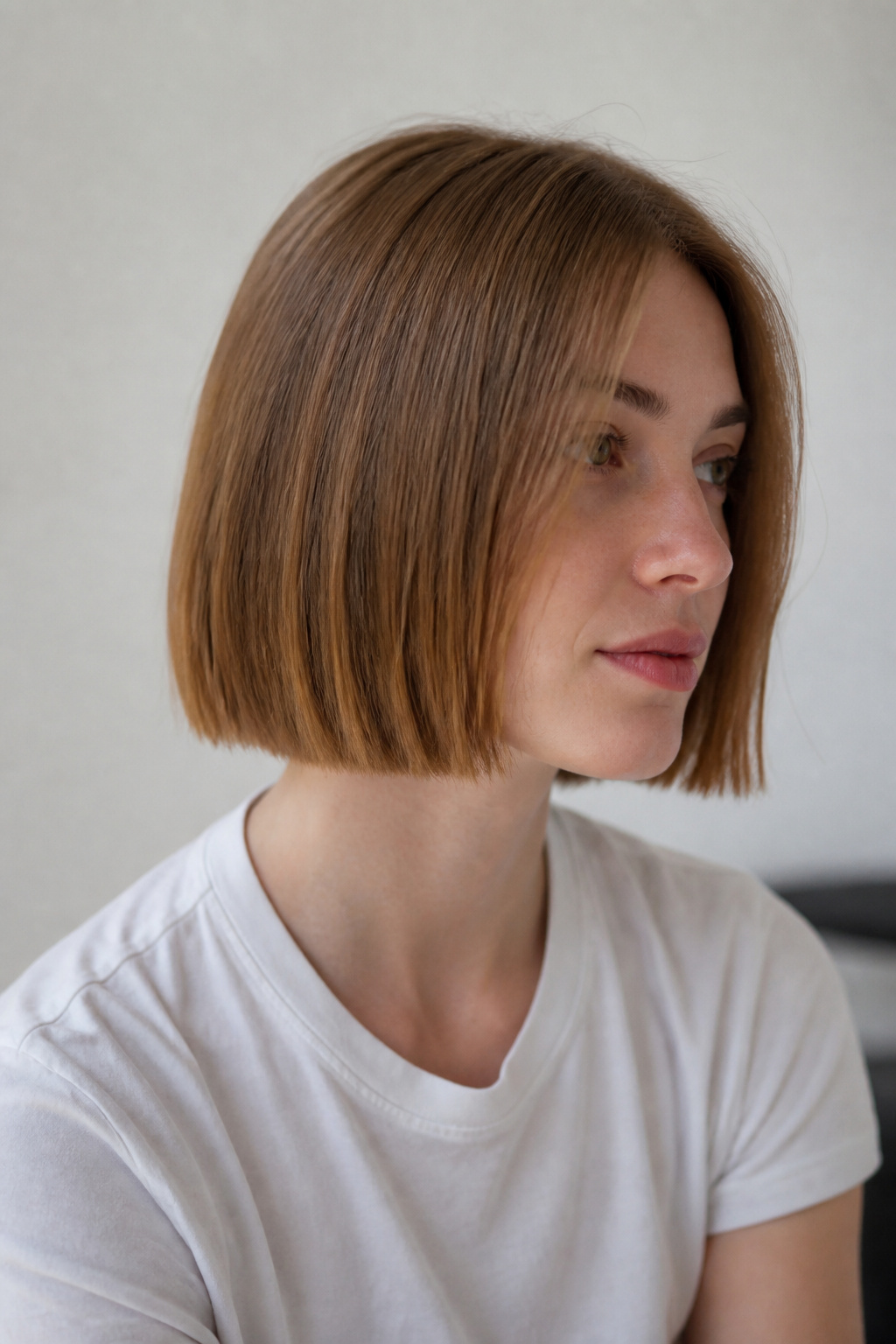

Best for fine to very fine hair. Trim every 8 to 10 weeks. About 5 minutes each morning.
The visual payoff is an instant dense outline at the chin that makes hair read thicker. It flatters oval and heart faces because the heavy perimeter creates balance. The trick is a one-length cut with no soft thinning at the ends and a precision snip at the chin. Avoid the mistake of asking for face-framing layers; they turn into wispy ends that undermine the density. I use a little volumizing mousse at the roots and rough-dry for five minutes. This is the most reliable blunt bob for fine hair.
Jaw-Length Blunt Bob with Subtle Inner Texturing
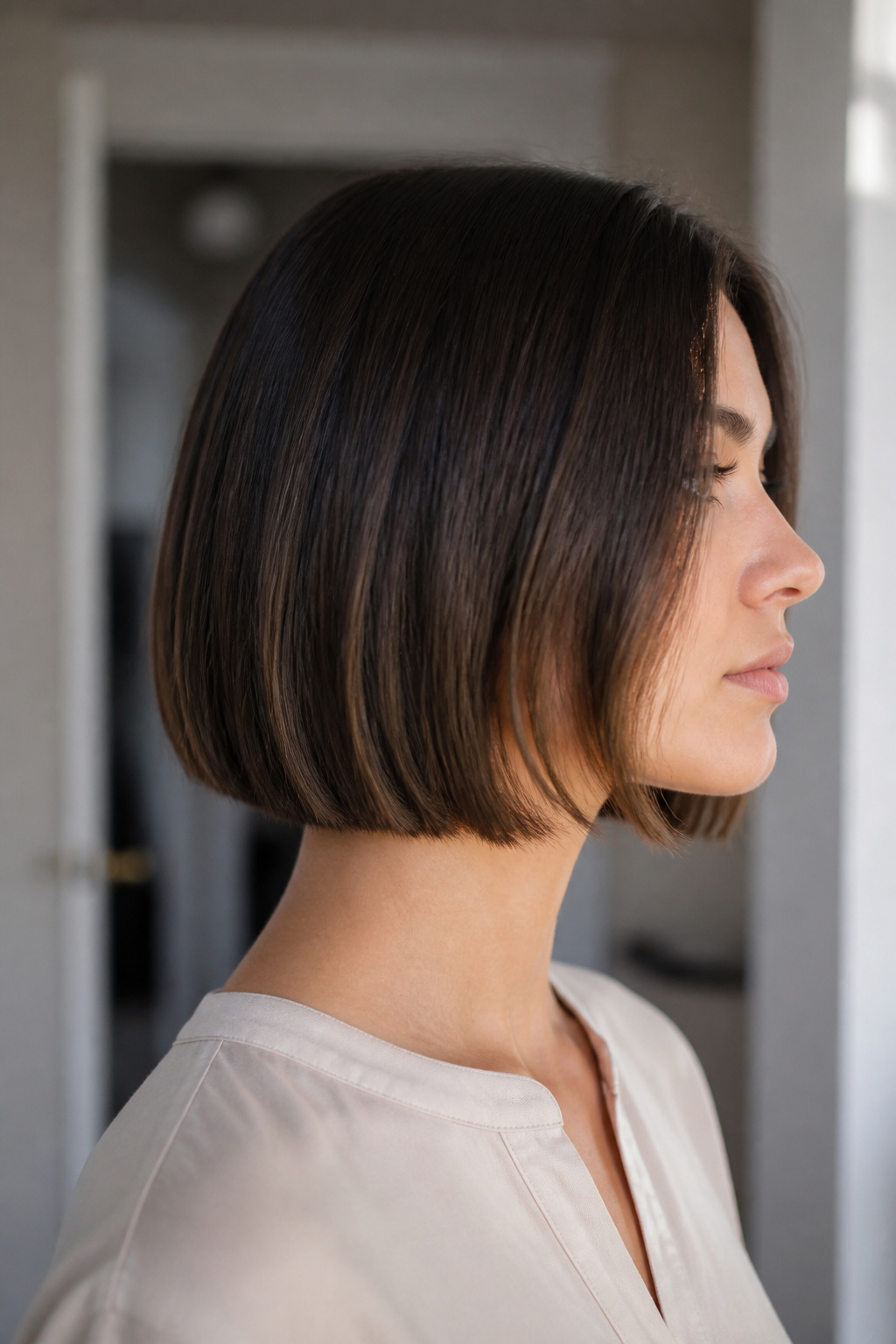

Best for fine to medium hair. Trim every 10 to 12 weeks. About 6 to 8 minutes to style.
This keeps the blunt outline but adds invisible internal texturing so the hair moves without losing weight. It flatters square and long faces by softening angles while keeping density at the jaw. Ask your stylist for "jaw-length blunt perimeter with internal point cutting only" and show a photo. A common mistake is over-layering the outer lengths; that ruins the visual weight. I stop my blow-dryer when the roots are 80 percent dry to preserve body at the scalp.
Chin-Grazing One-Length Bob (The Density Master)


Best for fine and straight hair. Trim every 8 to 10 weeks. Five minutes to refresh in the morning.
This is exactly what stylists mean when they say "weight line": one plane of ends that reads dense. It makes fine hair look thicker without extra product. The hair sits at the chin and slightly tucks under if you want a polished finish. The technique is a quick root lift with mousse and a one-inch round brush to bend the ends under. Most people ask for textured ends and end up with see-through tips. If you want fullness, insist on no visible layers.
French Bob with Short Cheek Fullness
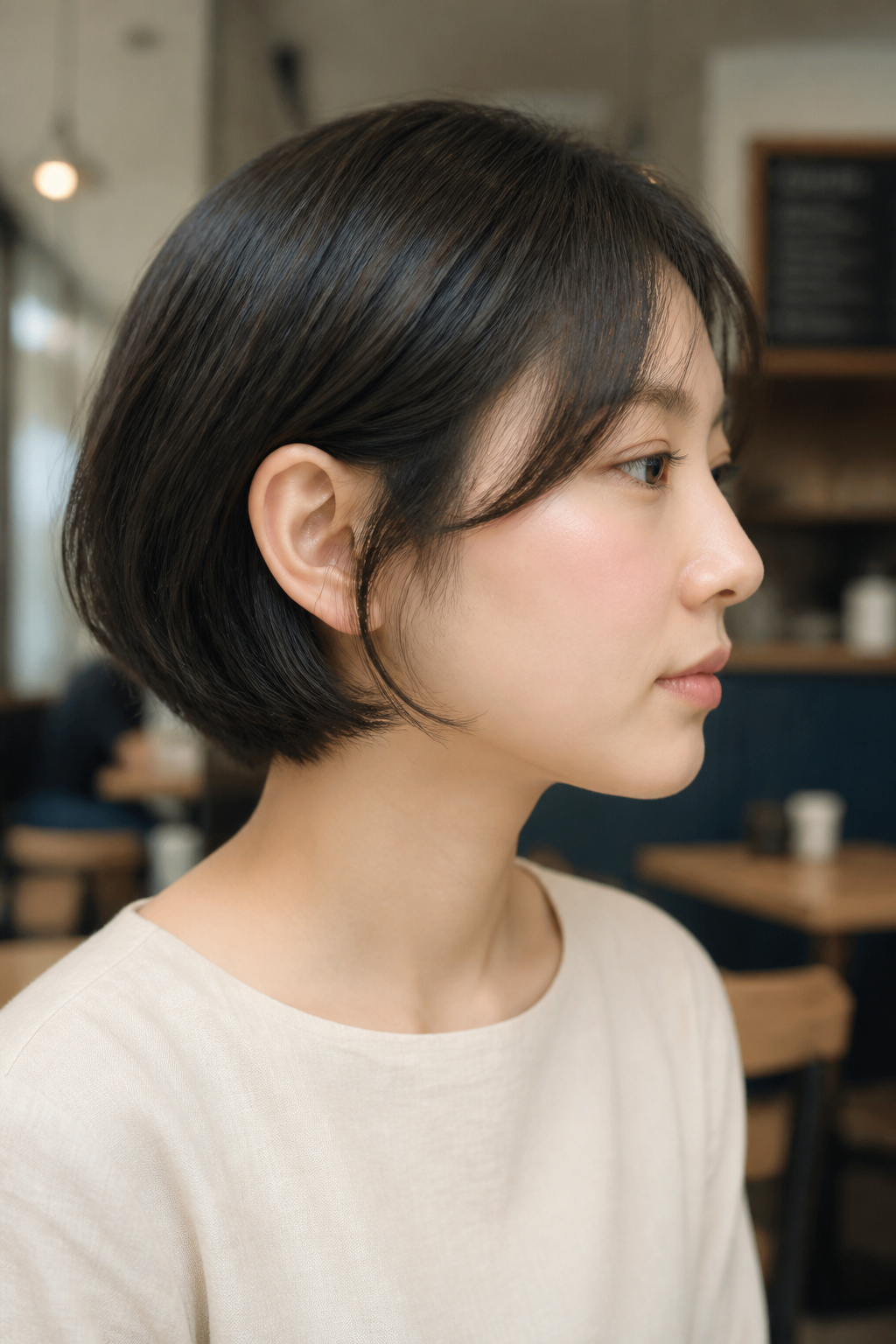

Best for very fine hair that wants a bold short option. Trim every 6 to 8 weeks. Three to five minutes to style.
The French bob packs fullness around the cheeks which fools the eye into thinking the whole head is denser. It flatters small faces and anyone who wants a graphic short shape. Keep the back slightly longer than an ear crop to avoid exposing thin nape skin. Warning: very short fringes can read sparse on fine hair, so I tell clients not to go too micro with bangs. This cut demands precise trims but is fast to style with a quick towel squeeze and air-dry.
Textured-End Chin Bob with Bottleneck Bangs


Best for fine hair that wants a fringe. Trim bangs every 4 to 6 weeks. About 7 minutes of styling daily.
Bottleneck bangs taper at the center and feather into the sides so they avoid the heavy, thin look of a blunt fringe. They frame the face while the textured ends at the chin keep the perimeter feeling full. Technique note: point-cut the bangs to create that bottleneck taper and finish the ends of the bob with a few vertical snips only. Common fail: overtexturizing the ends, which makes the fringe disappear by day two. I often use a tiny dab of lightweight styling cream to polish the bangs without weighing them down.
Stack the Back for Crown Lift (Inverted/Stacked Hybrid)
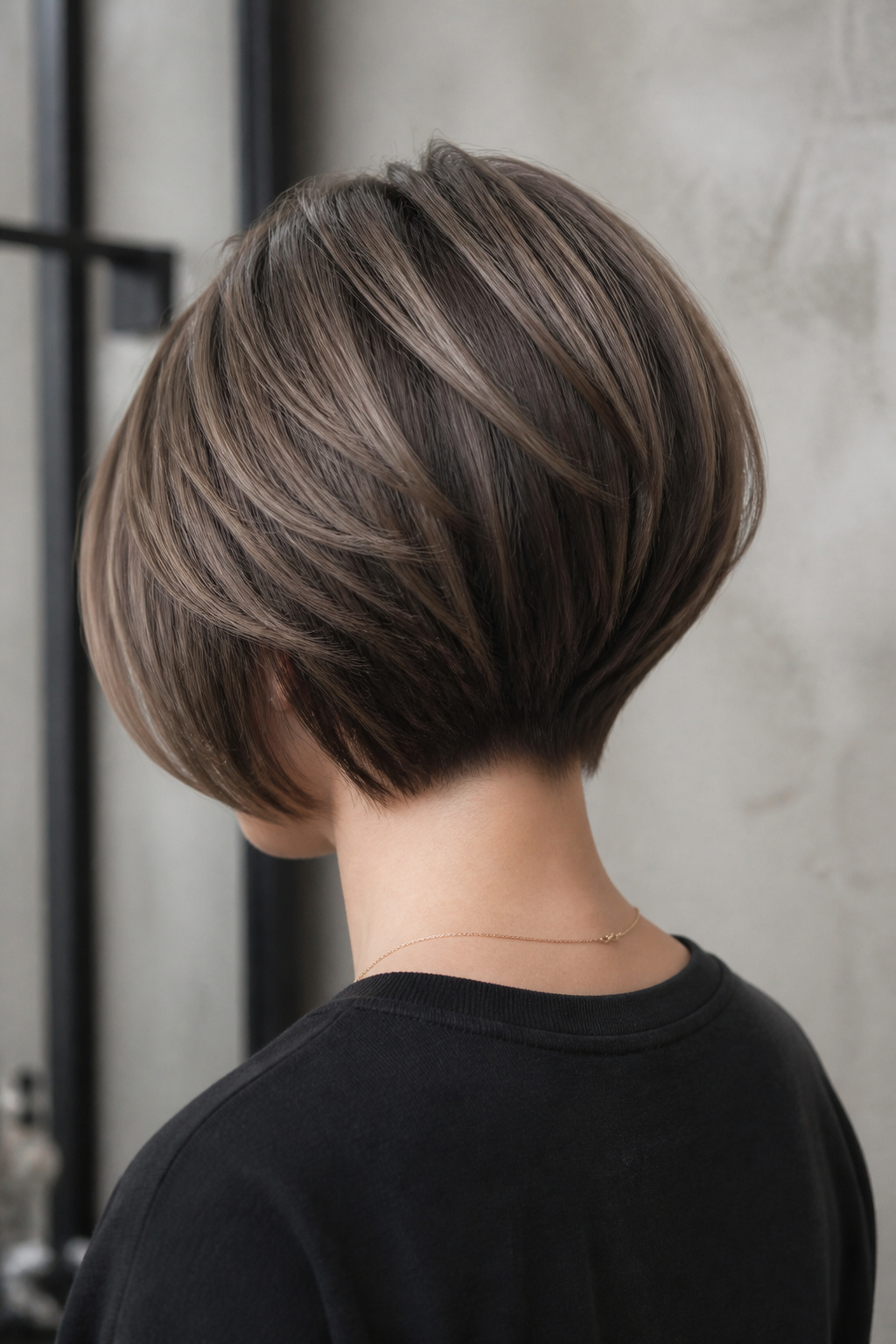

Best for fine hair with a flat crown. Trim every 8 weeks to retain shape. Five to ten minutes to style with a blow-dryer.
If your crown goes flat midday, a stacked back adds built-in volume. The disguised graduation gives the impression of thicker hair without removing weight at the ends. Technique: internal graduation at the nape and a blunt perimeter forward. Do not stack too aggressively or the top will look too pouffy and fake. I once let a stylist overstack my nape and it needed three trims to soften. Blow-dry the crown upside down for extra lift.
A-Line Bob That Pulls Focus Forward
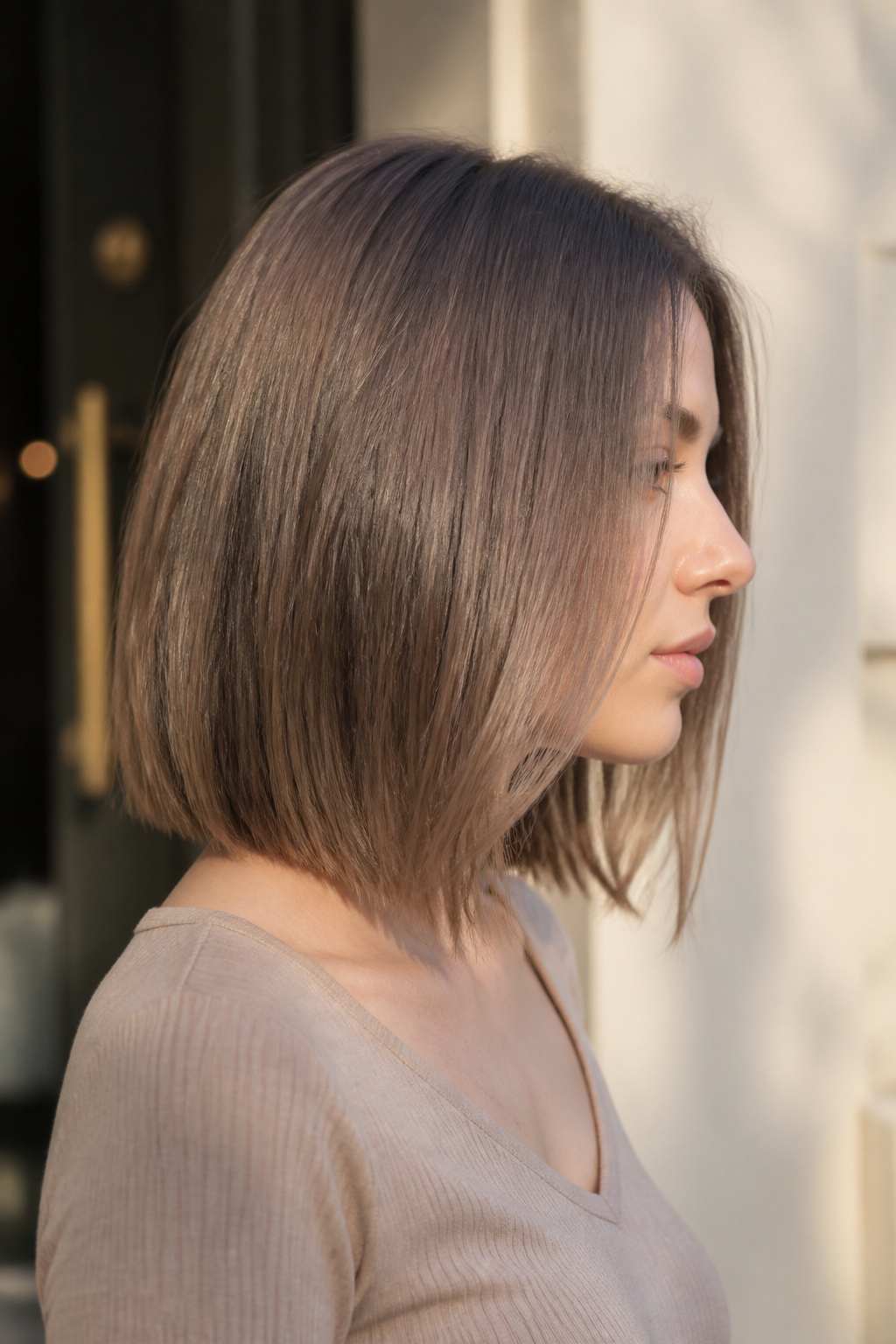

Best for fine hair that wants elongation. Trim every 10 weeks. About 7 minutes to blow-dry.
The A-line makes the front feel heavier, which is great for fine hair that needs a presence. It flatters round faces by creating a vertical line. Ask for a subtle forward angle and a blunt perimeter—overly steep angles can look too thin at the back. The styling trick is to round the front with a one-inch barrel or a round brush so the longer pieces sweep a touch inward. Avoid heavy styling products that collapse the angle.
Wavy Bob That Reads Fuller on Day Two


Best for fine and wavy hair. Trim every 10 to 12 weeks. Low-effort; air-dry or diffuse in 10 to 15 minutes.
Waves add the illusion of body without changing the cut. This bob survives day two better than a straight one because the texture hides flat roots. The technique is to scrunch in a salt or texture spray while damp and diffuse upside down. A mistake I made once was overcurling every section; it looked busy. Let the waves sit loose and choppy. If your waves are weak, use a one-inch wand to add a few S-shaped bends starting below the ear.
Italian Bob with Soft Movement


Best for fine hair that wants polish with movement. Trim every 10 to 12 weeks. About 8 minutes for styling.
The Italian bob balances a strong outline with soft internal movement so the ends feel dense while the mids swing. Ask your stylist for "strong outer weight with invisible internal layers." The technique is subtle point-cutting inside and a smooth blowout with a round brush. Over-layering the ends will turn this into a wispy mess, which is the most common error. It’s a good one if you like a refined, glossy finish.
Rounded Bob with Minimal Layers for Soft Fullness


Best for fine to medium hair. Trim every 10 to 12 weeks. Five to eight minutes to style with a round brush.
A rounded silhouette keeps bulk where you want it and avoids the see-through ends that come from overtexturing. This flatters square and heart shapes especially well. The secret is minimal internal layering plus a sculpted round shape at the ends. Common mistake: asking for too many layers to "add movement" and ending up with thin tips. I use a dime-size smoothing cream to tame flyaways and a one-inch barrel on the front pieces if I want extra curve.
Side-Parted Bob for Instant Root Volume


Best for any fine-haired bob. No special trims required. About 3 to 5 minutes to style.
You can fake fuller roots just by changing where the hair parts. A deep side part moves hair over and creates immediate volume at the opposite root. The technique is to wet the part line, apply a small amount of volumizing spray, and blow-dry the roots toward the part. Most people keep the same part and wonder why their hair looks flat. This is the easiest quick fix and works on blunt and layered bobs alike.
Micro Bob with Crisp Edge for Maximal Density


Best for very fine hair and bold style lovers. Trim every 4 to 6 weeks. Two to five minutes to polish.
A micro bob creates a compact density line that reads thick because there is little length to thin. It flatters small faces and anyone who wants a short, graphic look. The technique is a precise blunt cut and a smoothing product applied sparingly. Honest note: this is high-maintenance; I regret getting it without planning frequent trims. If you like a low-maintenance daily routine, skip this one.
Chin-Length Bob with Invisible Layers for Movement Without Thin Ends


Best for fine hair that wants movement. Trim every 10 to 12 weeks. About 6 to 8 minutes to style.
Invisible layers give the best of both worlds: movement inside the cut while the outer line remains heavy. This flatters most face shapes and helps avoid wispy ends. The technique is to keep the perimeter blunt and ask for very soft internal point-cutting. A common mistake is to request "lots of layers" and receive visible, choppy graduation. This is the safer route for a lived-in finish.
Worn-In Tuck-Behind-Ear Bob for Effortless Shape


Best for fine hair that prefers air-drying. Grows out softly. Two to three minutes to tuck and go.
This is one of my favorite low-effort tricks: while my hair air-dries I tuck it behind my ear to encourage inward shaping and a slightly fuller cheek area. It works best on chin to collarbone lengths and keeps the silhouette neat without a blowout. The technique is simple and avoids daily heat. Honest moment: the first time I tried this I got an odd flat spot at the root because I left the ear tuck too tight. Loosen it, and the shape looks effortless.
What You'll Need to Get This Look
Heat Tools
- 1.25-inch ceramic curling wand ($35 to $60) good for soft S-waves and front pieces.
- Round brush, 1.5-inch ($12 to $25) for shaping ends and adding bend.
- Professional blow-dryer, 1800 watt ($40 to $150) with a diffuser for wavy bobs.
Styling Products
- Alcohol-free volumizing mousse, 8oz ($12 to $25) for root lift without crunch.
- Lightweight texture spray, 5oz ($10 to $25) for separation and day-two life.
- Dry texture spray, 4oz ($8 to $20) to expand ends after drying.
Hair Care and Protection
- Volumizing shampoo for fine hair, 12oz ($10 to $25) use at the roots only.
- Lightweight heat protectant spray, 6oz ($8 to $20) to protect fine strands.
Accessories and Finishing
- Claw clips, medium pack ($6 to $15) for quick tucks and sectioning.
- Fine-tooth tail comb ($5 to $12) for precise parts.
Budget Swaps
- Drugstore volumizing mousse, 8oz ($6 to $12) is perfectly fine for occasional use.
- Affordable one-inch curling iron ($15 to $30) for light styling if you do not need pro features.
- Drugstore texturizing spray, 4oz ($6 to $12) for day-two refreshes.
Shopping Tips for These Looks
Buy tools during holiday sales: Blowout tools drop 20 percent to 30 percent in November. I waited and grabbed my Professional blow-dryer, 1800 watt.
Choose mousse over heavy creams: For fine hair, start with an Alcohol-free volumizing mousse, 8oz and add cream only if you need polish.
Invest in one reliable round brush: A Round brush, 1.5-inch is worth the money if you blow-dry weekly.
Use budget swaps for seasonals: If you only need texture spray for summer, the Drugstore texturizing spray, 4oz works well and is inexpensive to replace.
Frequently Asked Questions
Will a bob make my fine hair look thicker?
Yes. A blunt perimeter or stacked back concentrates weight where eyes notice it most. Ask for a one-length edge or internal graduation, and skip heavy outer layers.
How often should I trim a blunt bob?
Every 8 to 12 weeks for chin to jaw lengths to keep the weight line sharp. Shorter micro styles need trims every 4 to 8 weeks.
Can I air-dry a bob and still get volume?
Yes. Use a volumizing mousse at the roots and loosely tuck or clip sections while damp. For a lived-in finish, a Lightweight texture spray, 5oz on day two works well.
What bangs work on fine hair?
Bottleneck or tapered bangs blend into the sides and avoid the sparse look of a blunt fringe. Keep them slightly longer and trim them more often.
Is a stacked/inverted bob high maintenance?
Moderate. It keeps your crown lifted but needs scheduled trims to maintain the graduation. Use a root-lifting mousse daily and a Fine-tooth tail comb for precise parting.
Where to Start
If you want one small change, ask your stylist for a chin-length one-length or a jaw-length blunt bob with internal layering only. It’s the quickest way to make fine hair read fuller without a big routine change. Which of these bobs feels closest to your current hair—the blunt line, a stacked back, or something wavy? Comment with a photo if you want styling tips.